Why Monrovia Appeals To Foothill-Loving Commuters
February 19, 2026
February 19, 2026
Want foothill views without giving up a workable LA commute? If you split your days between Zoom, Downtown meetings, and weekend trail time, Monrovia hits a sweet spot. You get a walkable main street, quick access to the San Gabriel Mountains, and real transit options that keep driving optional. In this guide, you’ll see how the commute works in practice, what neighborhoods offer, and how home values compare so you can decide if Monrovia fits your daily rhythm. Let’s dive in.
Monrovia sits along the San Gabriel foothills just northeast of Los Angeles, with about 37,787 residents, according to official U.S. Census QuickFacts. The city blends historic neighborhoods with newer infill near its rail stop. It feels small enough to know your barista, but connected enough to make regionwide commutes manageable.
Census data also shows a mean one-way commute time of about 30.1 minutes for Monrovia residents. That puts you squarely in the middle of typical Los Angeles-area travel times, which is helpful when you are weighing mountain proximity against commute length.
Monrovia’s light-rail stop is part of Metro’s A Line, created through the Foothill extension with passenger service starting in 2016. From the Monrovia Station, you have a one-seat or one-transfer path into Downtown Los Angeles and through to Long Beach on the broader network. The station offers practical commuter amenities, including a 350-space parking lot and bike lockers, as outlined on the Foothill Gold Line’s station page.
Typical rail time from Monrovia to Union Station is roughly 35 to 45 minutes, depending on time of day and transfer patterns. Public schedules and trip planners vary, so treat this as a planning window. For an example route and time range, you can preview options using Rome2Rio’s Monrovia to Union Station estimator.
If you drive, Monrovia sits right on the I-210 Foothill Freeway with multiple local exits. That makes it straightforward to reach Pasadena, Downtown, or the broader Interstate network to the east. Peak congestion is still the main variable, but quick on-ramps and the option to park-and-ride at the rail station help you mix modes when it makes sense. You can see local exit details on iExit’s I-210 guide.
Many residents combine driving, rail, and biking. Local buses and Foothill Transit connections feed into the station, and the 350-space lot supports park-and-ride routines. For fares, transfers, and local connections, the city maintains a helpful GoMonrovia transit page.
The practical takeaway is simple: Monrovia supports mixed commuting patterns. You can rail into Downtown, drive when needed, or split the trip with park-and-ride.
Old Town Monrovia along Myrtle Avenue is a preserved, walkable main street lined with restaurants, boutiques, and everyday services. The weekly Friday night street fair brings produce stands, food, and live energy to a compact, pedestrian-friendly core. Get a feel for events and merchants through the Old Town Monrovia site.
Around the rail stop, the Station Square Transit Village concentrates newer apartments, mixed-use buildings, and public space within a short walk of trains. It is the center of Monrovia’s modern infill, designed for residents who value a lighter car footprint and easy station access. See the city’s plan and current projects on the Station Square planning page.
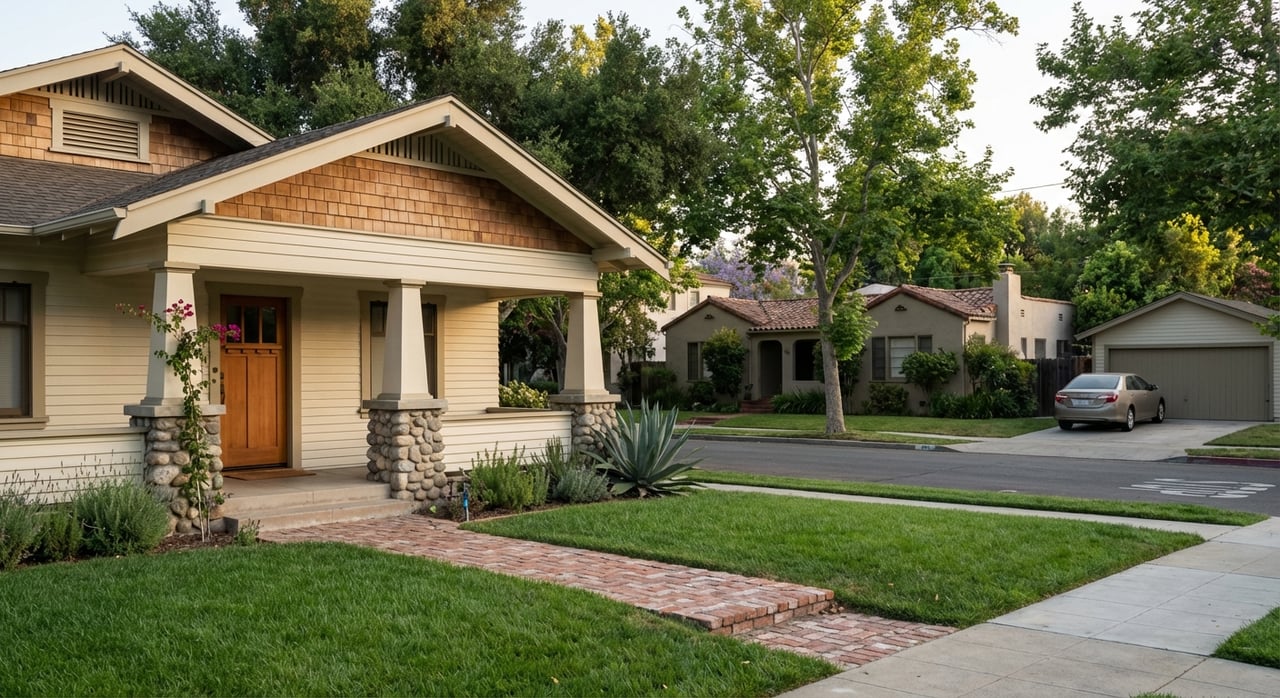
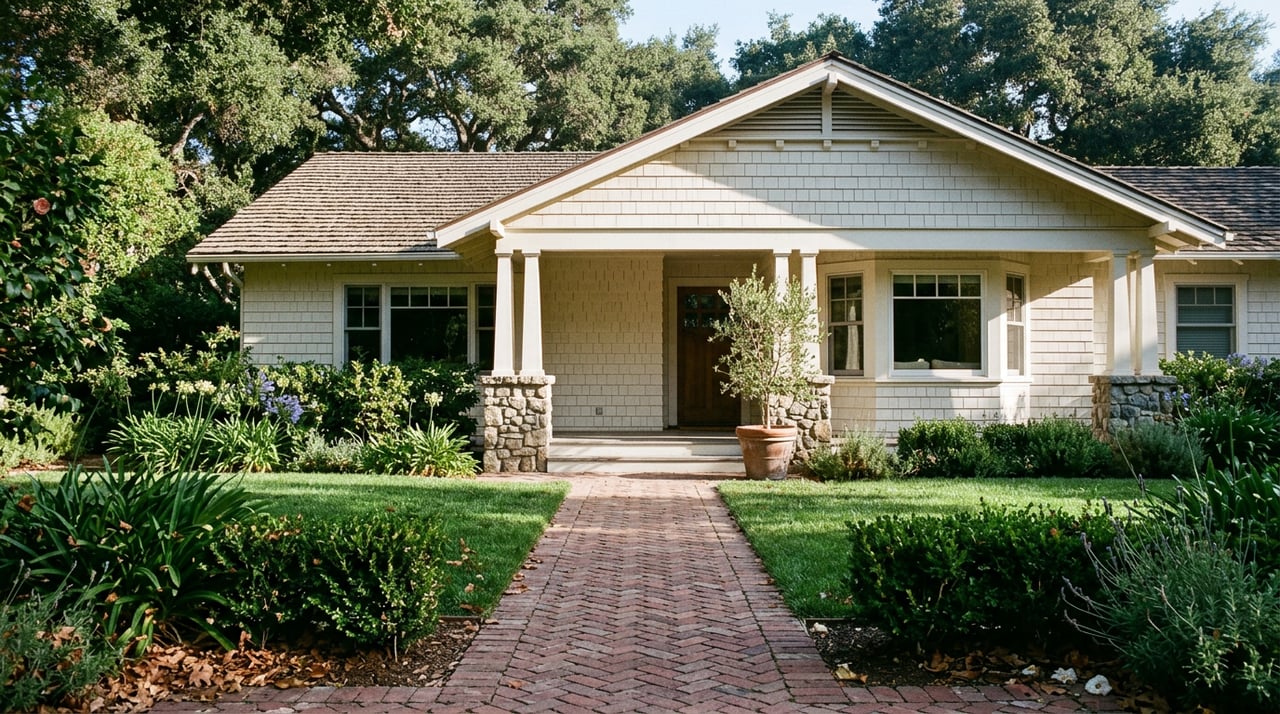
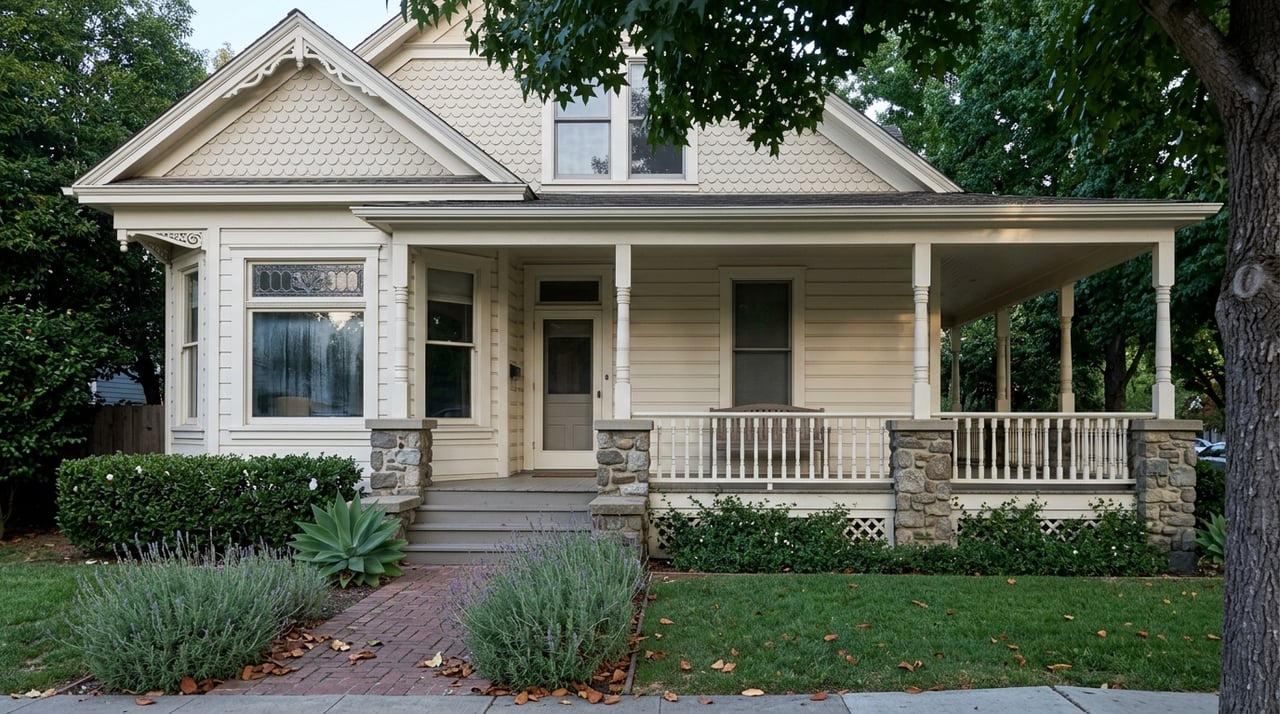
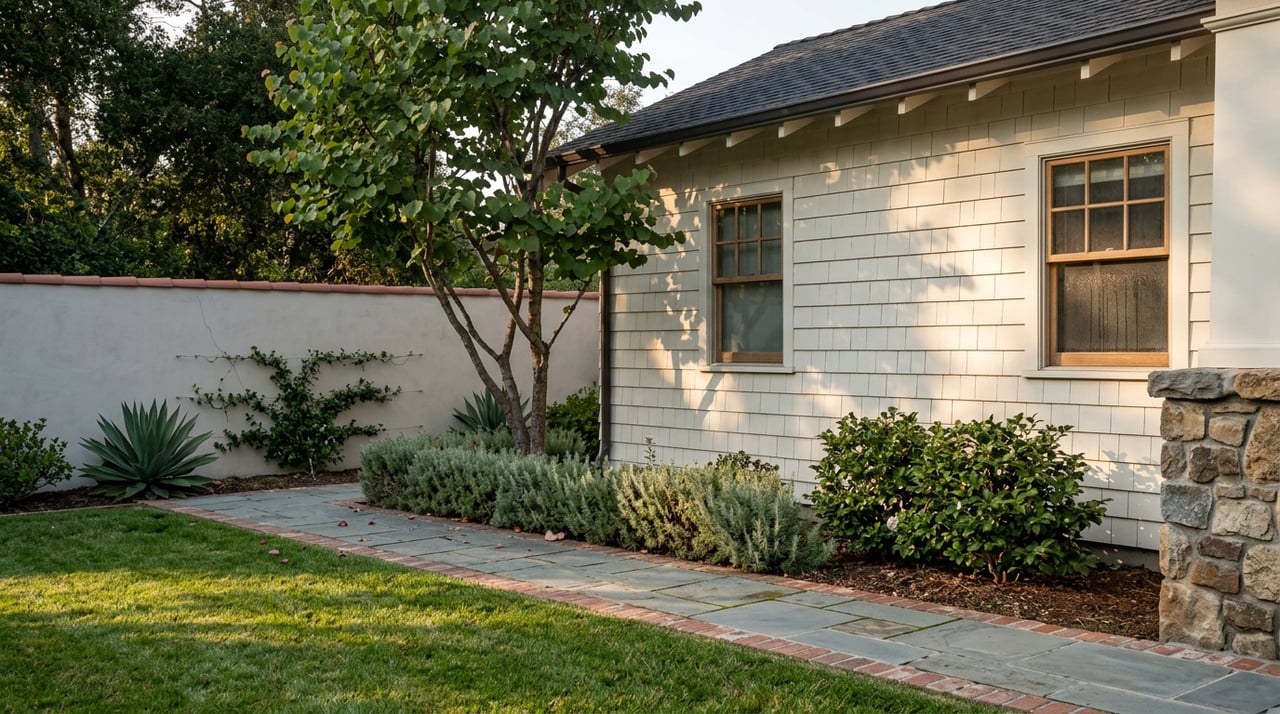
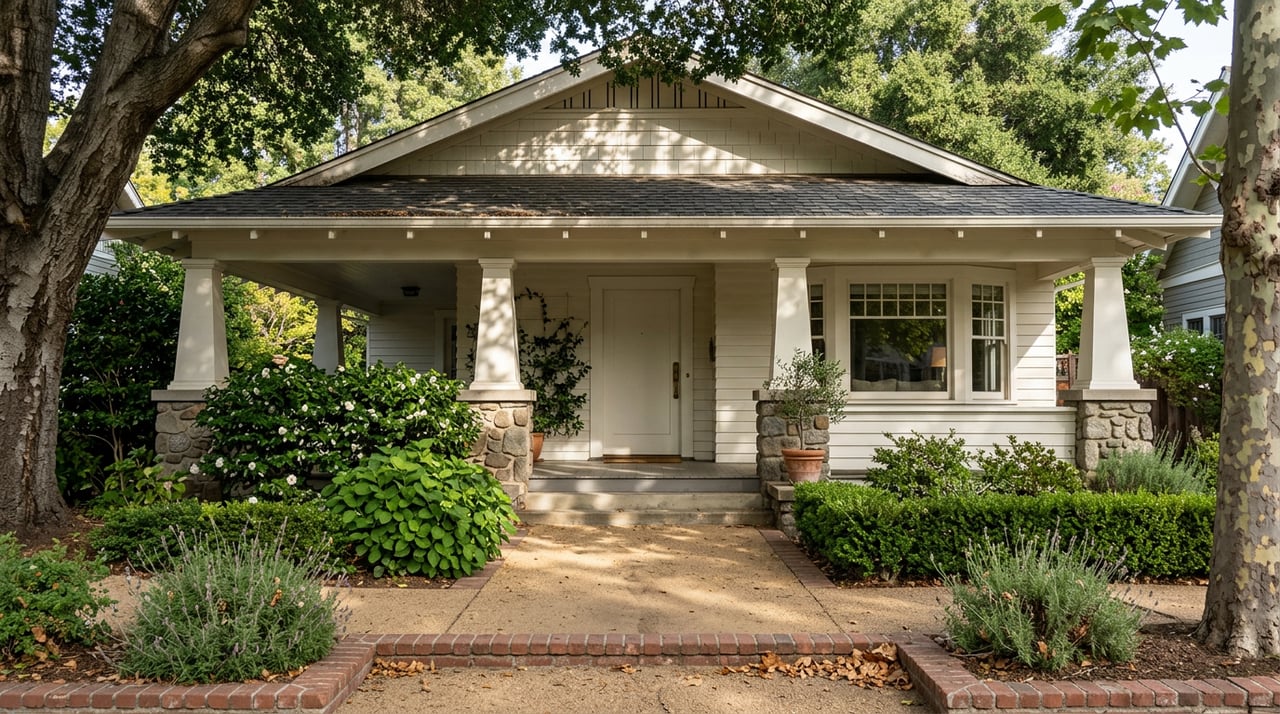
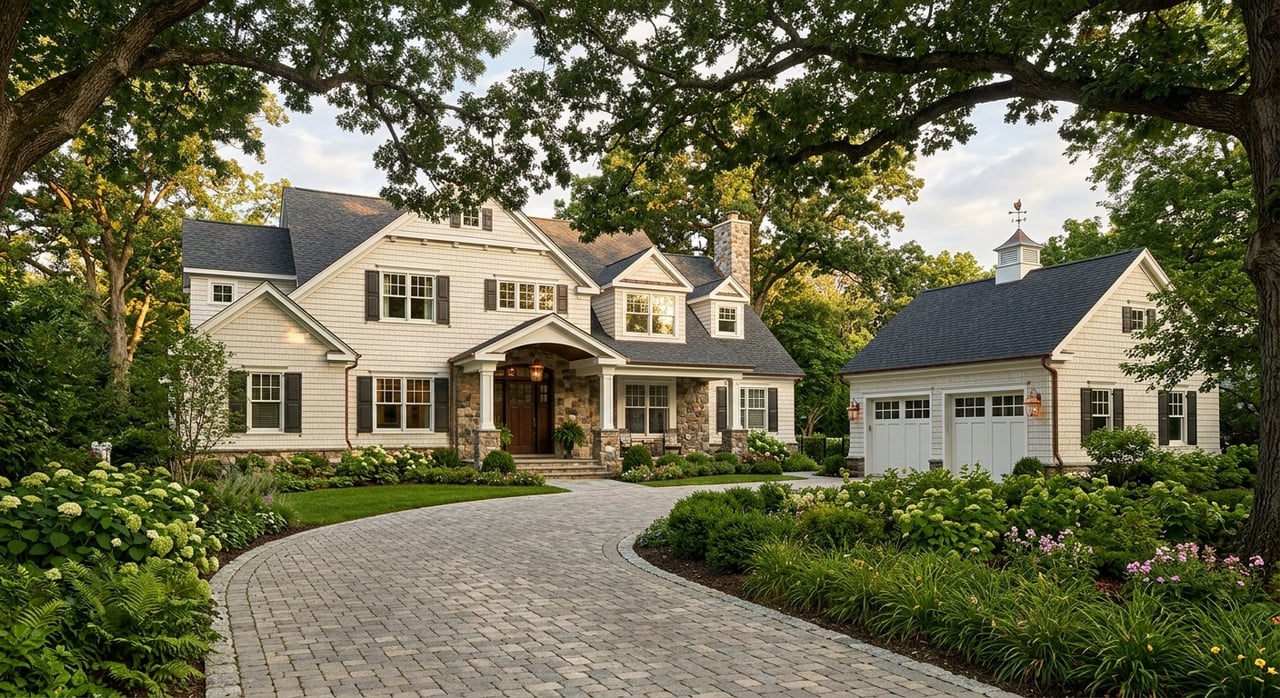
North of downtown, tree-lined streets give you historic Craftsman bungalows, early 20th-century homes, and ranch-era properties closer to Monrovia Canyon. Many homes offer character details and established landscaping on quieter residential blocks. The city also supports preservation through historic-home programming, which underscores local pride in architectural heritage.
For a steady baseline, the American Community Survey reports a median value for owner-occupied housing near $909,000 in Monrovia, with an owner-occupied rate in the mid-40 percent range. You can review these ACS figures on CensusReporter’s Monrovia profile.
Current market measures use different methods and time windows, so they will not match the ACS baseline. Recent platform medians show higher and lower snapshots at the same time: Redfin’s recent median sale price is around $1.32 million (Jan 2026), while Zillow’s ZHVI typical value is about $964,000 (Dec 2025). The first reflects what actually sold in a recent period, while ZHVI is a model-based typical value. That contrast is normal and useful. Use the ACS number for long-run context, then look at current listings and recent sales to set real-time expectations.
Living this close to the mountains is the point. Monrovia Canyon Park and nearby canyon trailheads offer day hikes, waterfall trails, and fast access to the Angeles National Forest. Some areas, including routes near Chantry Flat, have seen closures and phased reopenings after recent fires. Before you head out, verify status with the USFS Angeles National Forest updates. Staying informed helps you plan safely and avoid surprise gate closures.
The Friday Night Street Fair, seasonal events, and a compact Old Town grid make it easy to handle errands on foot and stay connected to the community. Grocery stores, small retailers, and local services cluster along Myrtle and nearby corridors, so you can do dinner, a hardware stop, and a dessert walk without moving your car. For families mapping logistics, Monrovia Unified School District posts calendars and program information on its district website.
If you want mountain access and a main-street lifestyle without giving up a reasonable commute, Monrovia is worth a close look. The A Line, I-210 access, and park-and-ride options support hybrid schedules, so you can drive on days that require flexibility and ride rail when predictability matters. You trade some lot size compared with farther-flung suburbs, but you gain everyday walkability, trail proximity, and an active calendar in a compact city setting.
If Monrovia checks your boxes, the next move is seeing homes and streets at the times you would actually live them. A curated tour will help you compare Old Town blocks, Station Square living, and foothill streets, then layer in commute tests and school logistics. When you are ready, connect with Kate Amsbry for neighborhood guidance, price context, and a clear plan to buy with confidence.
Stay up to date on the latest real estate trends.

Whether you’re mapping out a long-term plan or need to list next month, We're here to listen first, advise second, and guide every step until the ink is dry. Let’s connect—and turn your Pasadena dreams into a solid address.