Key Pasadena Home Valuation Factors That Shape Your Price
January 15, 2026
January 15, 2026
Is your Pasadena home really worth what online estimates say, or is there more behind the number? If you’re planning a sale or just curious about your equity, it helps to know how buyers, appraisers, and the market view your property. In this guide, you’ll learn the local factors that move price, how valuations are actually built, and practical steps to protect and grow your value. Let’s dive in.
Your price sits inside a bigger story: mortgage rates, employment, and the Greater Los Angeles housing cycle shape purchasing power and competition. Pasadena’s position in the Los Angeles–Long Beach–Glendale metro, with walkable neighborhoods and anchors like Caltech, the Jet Propulsion Laboratory, and the Huntington Library nearby, tends to support values above regional averages for similar homes. Supply can be tight in sought‑after micro‑neighborhoods, which keeps competition firm even when the broader market cools. Activity usually rises in spring and eases in winter, but the year’s inventory and rates matter most.
When you want current numbers, look to local brokerage and MLS snapshots from the Pasadena Association of REALTORS or the regional MLS. For longer‑term trends, statewide and metro indexes from the California Association of REALTORS and S&P CoreLogic Case‑Shiller’s Los Angeles index can provide context. Public records from the Los Angeles County Assessor can help confirm property details and tax history.
Total usable living area is a core driver, including any permitted ADUs. Price often scales on a per‑square‑foot basis, but layout efficiency can outweigh raw size. Well‑configured space that lives larger will draw stronger offers than awkward, chopped‑up floor plans.
Count and function both matter. An ensuite or an extra half bath can widen your buyer pool. If you’re planning updates, prioritize functional bath and bedroom distribution over adding purely decorative features.
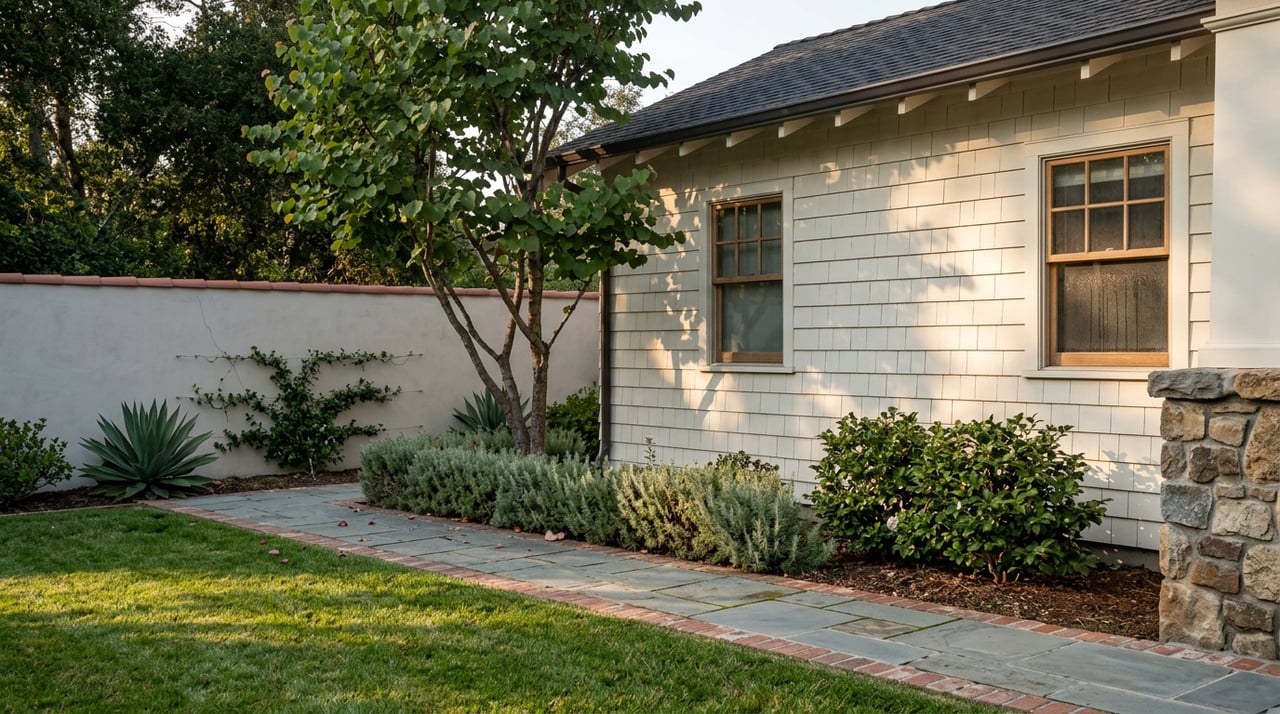
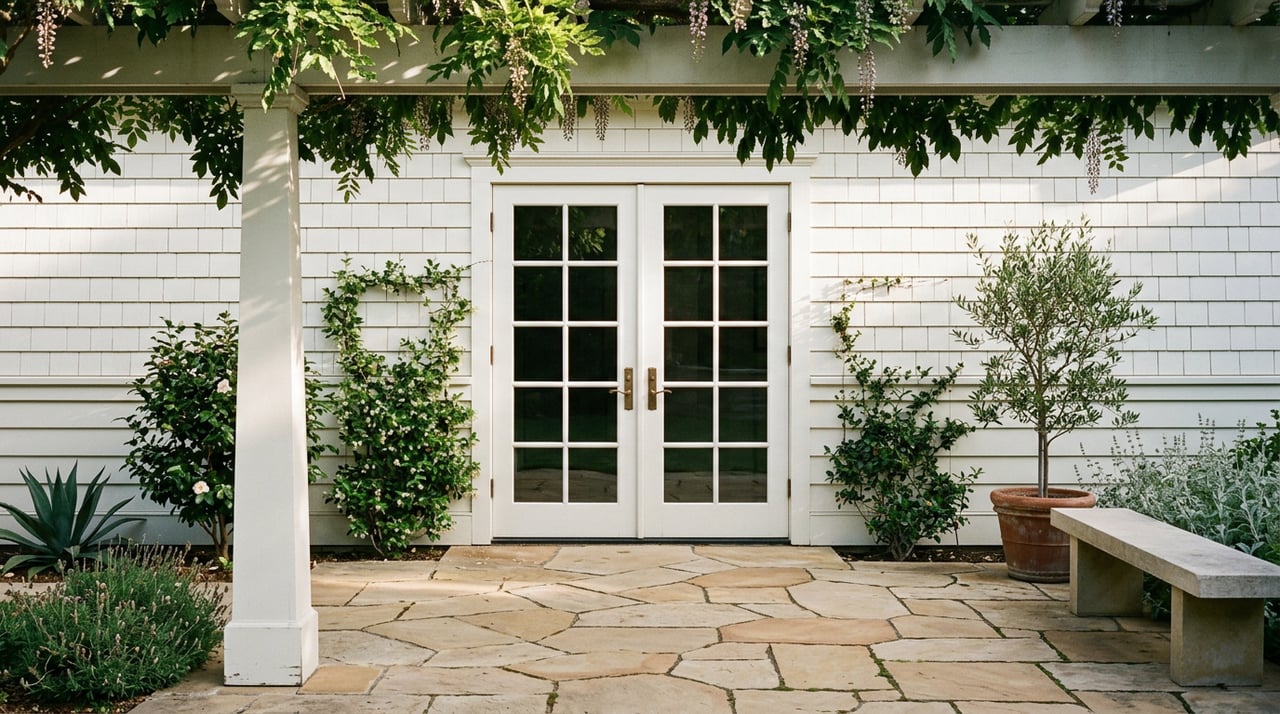
Pasadena buyers value private yards, patios, and drought‑tolerant landscaping. Usable outdoor areas and views toward the San Gabriel foothills can support higher pricing. Modest improvements to curb appeal often shorten days on market.
Deferred maintenance narrows your buyer pool and invites discounts. Roof, HVAC, plumbing, and electrical systems that are in good order strengthen confidence and appraisals. A clean pre‑listing inspection and targeted repairs can pay for themselves.
Permitted work carries more weight than unpermitted changes. Kitchen and bath remodels, additions, and ADUs that were completed with permits add value more credibly and keep financing options open. Unpermitted work can limit buyers using loans and may reduce appraised value.
In California, seismic upgrades and structural retrofits can be a selling point for some buyers. While the absence of retrofits is not a deal breaker for every buyer, documented improvements can help support price and reduce objections.
Flexible spaces for remote work, single‑level living, or multi‑use rooms increase appeal. Smooth flow between kitchen, living, and outdoor areas often translates into stronger offers. Small layout tweaks can make a noticeable difference in showings.
Driveway or garage parking, on‑street rules, and access to transit weigh into many purchase decisions. In several Pasadena neighborhoods, the ability to park comfortably and move easily to the Metro L Line or I‑210 is a practical value factor.
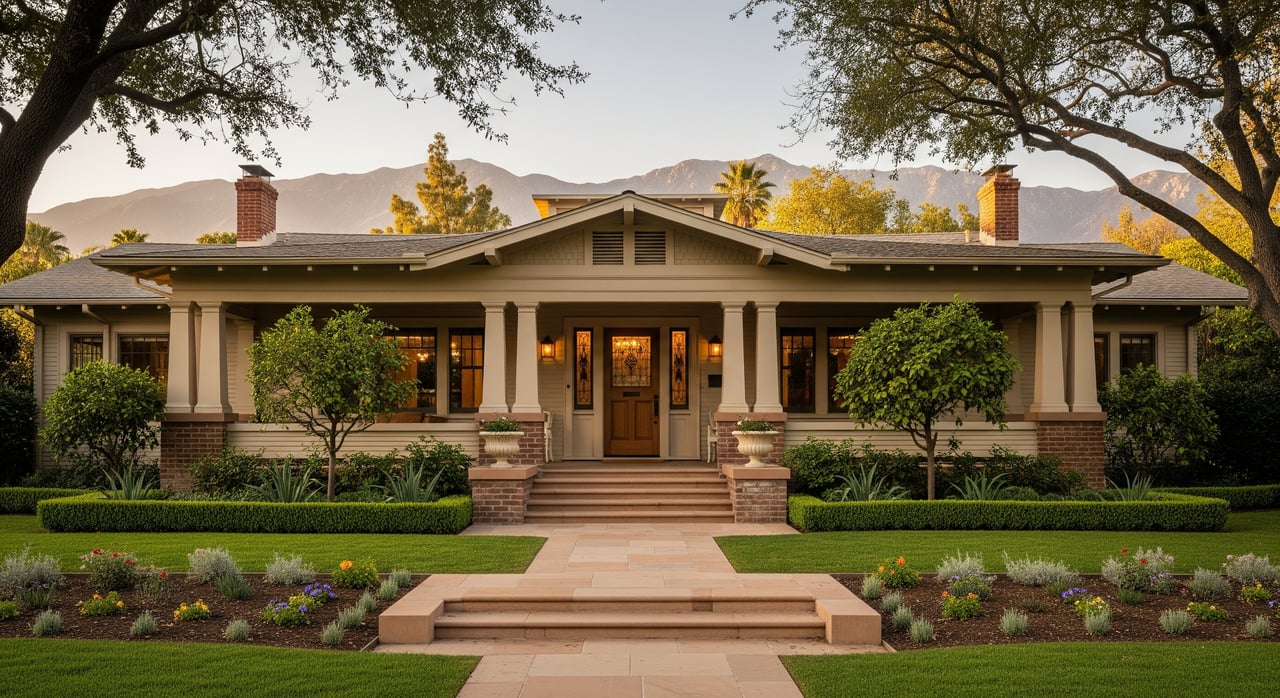
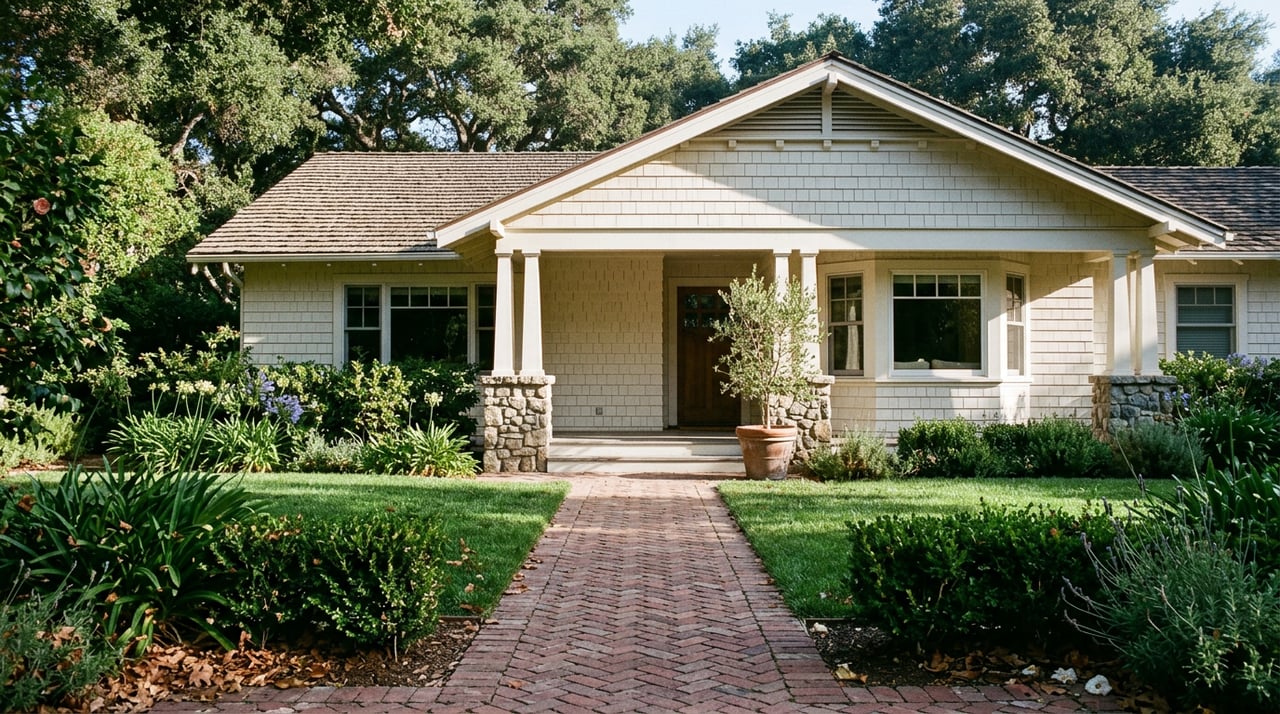
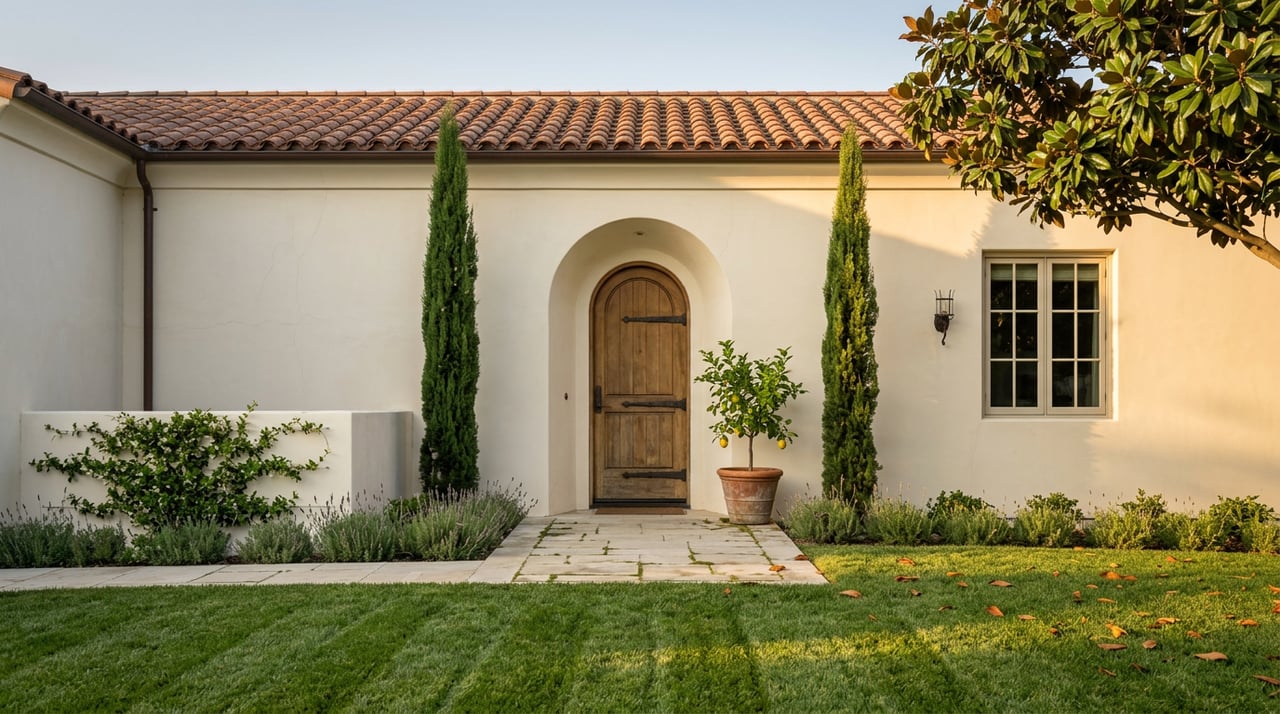
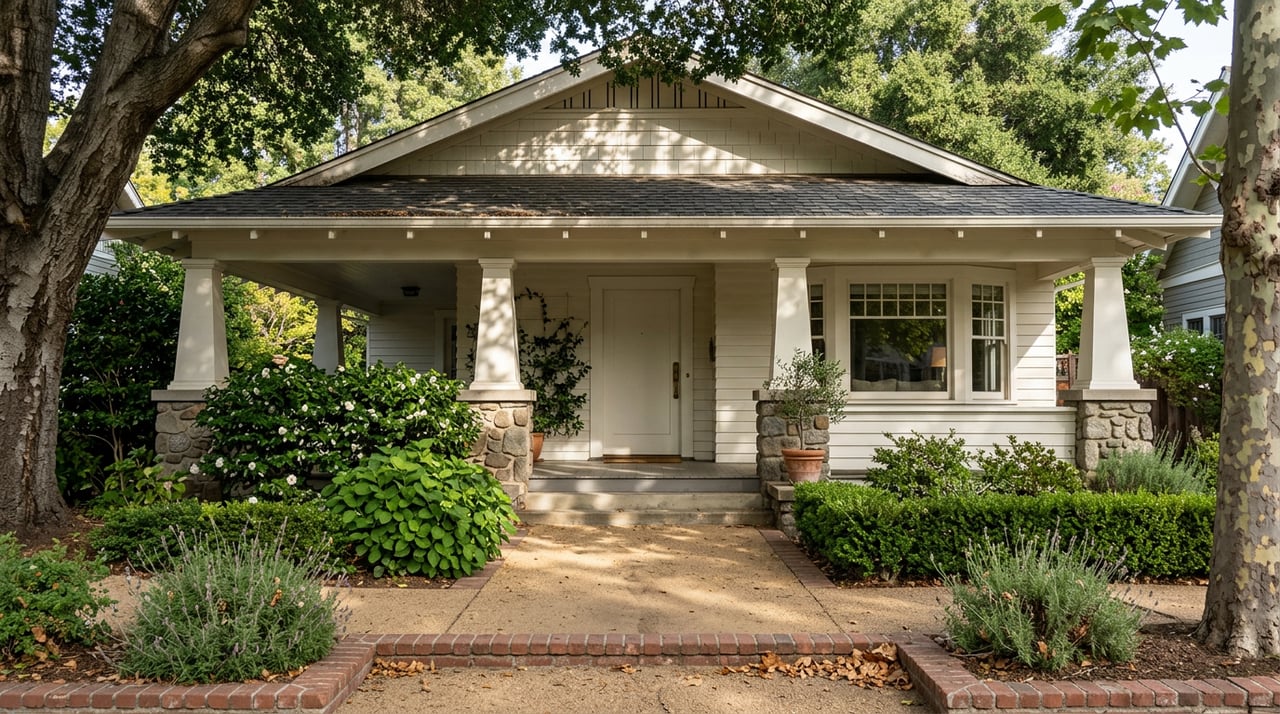
Pasadena’s Craftsman bungalows, Spanish Revival, and mid‑century homes attract dedicated buyer segments. Historic designation and potential Mills Act participation can add cachet while also introducing renovation rules. Both the pedigree and the restrictions influence pricing and the buyer pool.
Blocks and micro‑neighborhoods matter in Pasadena. Old Pasadena offers retail and restaurant access, while areas like Hastings Ranch, San Rafael, and Northwest Pasadena each attract different buyer segments. Proximity to Caltech or JPL can also influence demand.
School options, including Pasadena Unified School District and local private schools, factor into many family decisions. Properties within boundaries that a segment of buyers prioritizes often see steadier demand. Keep the conversation neutral and focus on verified boundary information.
Access to the Metro L Line, I‑210, and job centers shapes trade‑offs between commute time and housing cost. Buyers often pay attention to how quickly they can reach downtown LA or major corridors.
Foothill areas may carry brush and wildfire considerations that affect insurance availability and cost. Earthquake risk and soil conditions are part of standard disclosures. FEMA flood zones can require insurance and influence total monthly costs.
California’s Proposition 13 keeps tax rates constrained but reassesses your base value at sale. Proposition 19 may affect certain intergenerational transfers. Some neighborhoods include special assessments or Mello‑Roos that raise annual carrying costs, which can temper headline prices. Historic district rules and planning overlays may influence renovation plans and value.
A CMA is the typical starting point for listing strategy. Your agent compares 3 to 6 recent, nearby sales and relevant active and pending listings, then adjusts for size, condition, lot, beds and baths, and permitted upgrades. In Pasadena, block‑level differences such as tree canopy, views, and walkability often warrant meaningful adjustments.
Lenders require an appraisal to support a mortgage. Appraisers rely heavily on comparable sales and their professional judgment. In competitive markets, appraised values can lag fast‑moving prices, so financing and contingency planning matter.
Automated Valuation Models are helpful for trend awareness but can be off when data is incomplete, such as unpermitted ADUs or recent condition upgrades. They are not ideal for unique, high‑value, or historic homes. Use them as a reference point rather than your pricing authority.
BPOs and desktop‑style valuations leverage MLS data and broker expertise for quick reads. They are useful pre‑listing tools but should be confirmed with an in‑person walk‑through whenever possible.
Expect variation across methods. AVMs usually show the widest range. Appraisals are narrower but constrained by allowed comps. CMAs reflect real‑time strategy. In the end, closed sales in your immediate area represent the market’s clearest vote.
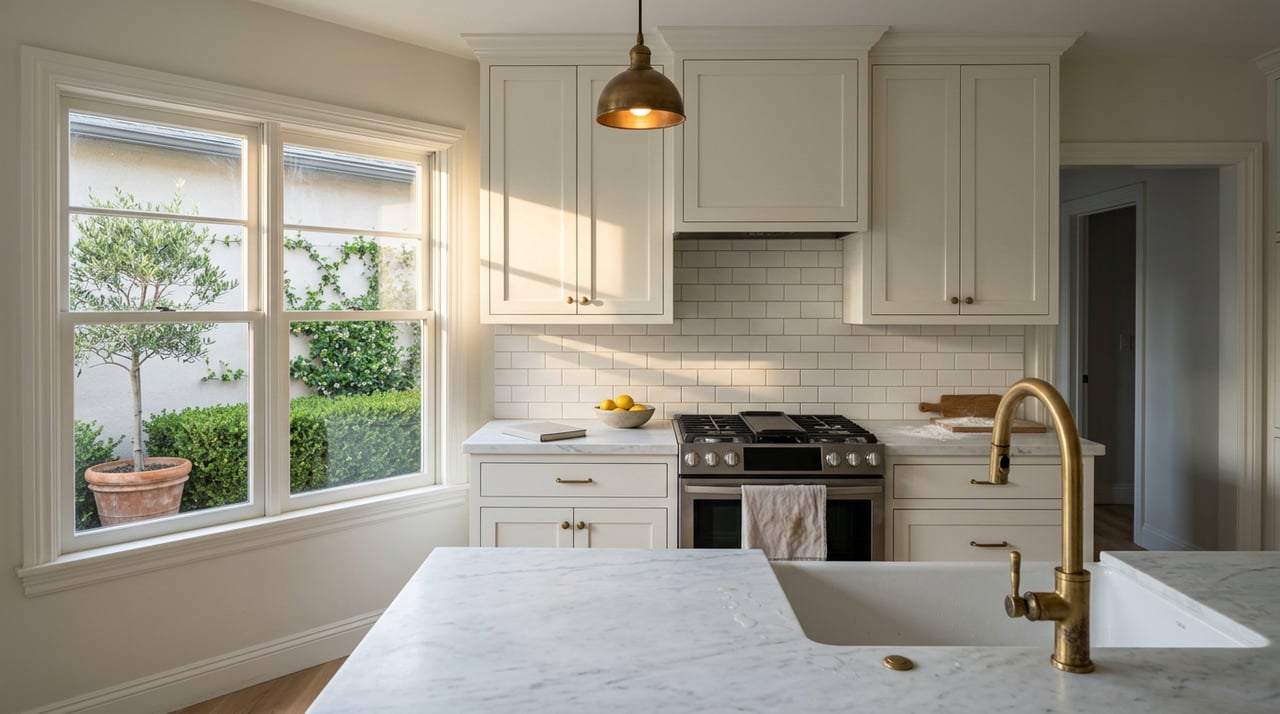
Focus on improvements buyers value and appraisers can recognize. Kitchens and baths with durable finishes, energy‑sensible fixtures, and a neutral, local aesthetic tend to perform well. Permitted ADUs can add meaningful utility and potential income. Smaller wins like fresh landscaping, paint, lighting, and hardware often deliver outsized returns relative to cost.
Getting price right in Pasadena is part data, part neighborhood nuance. You want a trusted guide who can build a precise CMA, position your home with premium presentation, and navigate appraisals, permits, and disclosures without drama. If you’re exploring a sale or purchase, reach out to Kate Amsbry to request your complimentary home consultation.
Stay up to date on the latest real estate trends.

Whether you’re mapping out a long-term plan or need to list next month, We're here to listen first, advise second, and guide every step until the ink is dry. Let’s connect—and turn your Pasadena dreams into a solid address.