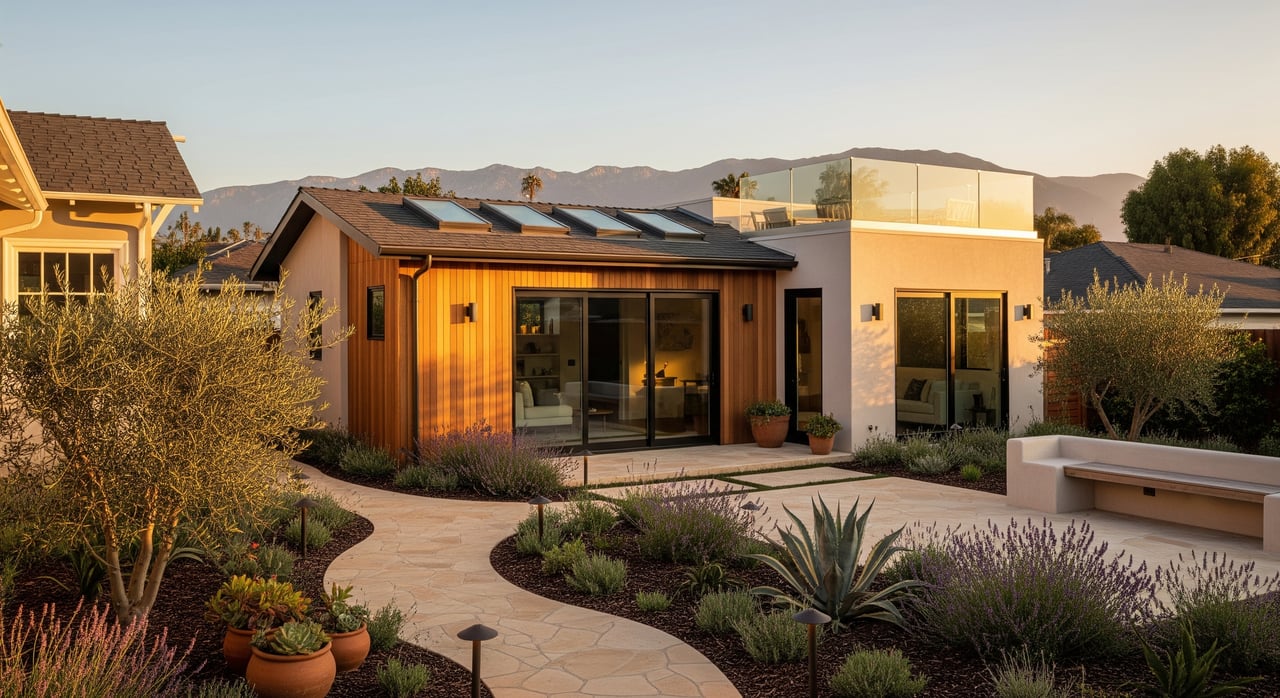
Thinking about adding an accessory dwelling unit to a Monrovia property? You are not alone. Investors across the San Gabriel Valley are using ADUs to create steady rental income, boost resale potential, and house multigenerational needs on the same lot. The rules are specific, though, and the process works best when you plan it like a business project. In this guide, you will learn the essentials of ADU compliance in Monrovia, how the state framework shapes local approvals, what to expect from permits and timelines, and how to think about costs and returns. Let’s dive in.
ADU basics and why state law matters
California law supports ADUs to ease housing pressure. That means you often have a clear, ministerial path to approval if your plans meet the standards. You apply, the city checks your plans for compliance, and you proceed without a discretionary hearing. The state also sets deadlines for review of a complete application, commonly around 60 days. Local rules still apply, but they cannot conflict with state ADU statutes.
What counts as an ADU or JADU
- An ADU is a self-contained home on the same lot as a primary residence. It can be detached, attached, or created by converting existing space like a garage.
- A JADU is a junior ADU created within the walls of an existing single-family home. JADUs are smaller and follow different size and kitchen rules than a standard ADU.
Where ADUs are allowed in Monrovia
Monrovia implements state law through its zoning and municipal code. In practice, ADUs are typically allowed in single-family zones and, in many cases, on lots with multi-family buildings. Exact eligibility depends on your parcel’s zoning and any overlays.
Zoning, overlays, and site conditions
- Zoning basics: Confirm your parcel’s zoning and whether your lot configuration supports an attached, detached, or conversion ADU.
- Overlays and special areas: Historic districts, hillside areas, flood zones, and very high fire hazard severity zones can add design or safety requirements.
- Multi-family sites: Many multi-family properties can add multiple conversion ADUs plus a limited number of new detached units, but the details are specific. Verify on a case-by-case basis.
Size, height, and setbacks
Monrovia sets detailed standards for maximum size by ADU type, height limits, and minimum side and rear setbacks. State law also creates relief in some scenarios, such as reduced setbacks for certain small detached units or conversion projects.
- Size limits: Detached and attached ADUs have different maximum sizes. JADUs have their own cap and must be within the primary home.
- Setbacks and height: Side and rear yard setbacks, maximum height, and distance from the primary home vary by design and lot. Small detached ADUs may qualify for smaller setbacks.
- Conversions: Converting existing space like a garage often follows different allowances, since you are not expanding the building envelope.
Because the numbers change with updates to state and local code, confirm the current standards for your exact plan before you design.
Parking rules and common exemptions
Parking is a major investor question. State rules limit when cities can require an extra parking space for an ADU. You may not need new parking in common scenarios, including:
- The ADU is within a defined walking distance of transit.
- You convert an existing structure like a garage.
- You build a smaller ADU or a JADU that qualifies for exemptions.
Local code also addresses tandem parking and whether replacement parking is required when you convert a garage. Plan early so parking does not become a surprise cost or design constraint.
Permits and timelines in Monrovia
ADUs that meet the standards are reviewed on a ministerial track. The city checks for compliance and issues building permits when you meet the criteria.
Step-by-step path to approval
- Pre-application discussion: Schedule a conversation with Planning to confirm zoning, setbacks, utilities, and any overlays.
- Prepare your plans: Hire an architect or ADU designer to produce a site plan, floor plans, elevations, and utility notes.
- Submit your application: File a complete package to Planning and Building. Include forms, plans, and any required studies.
- Plan check: Respond to comments quickly. Most delays come from missing details, unclear utility routing, or setback conflicts.
- Permits and inspections: Pull building permits, complete construction, pass inspections, and secure final occupancy.
How long it takes
State law sets a deadline for the city to act on a complete application, commonly around 60 days for ministerial ADUs. Total time to completion varies by scope: a garage conversion can move fast, while a new detached unit with utility upgrades may take several months or more than a year from first call to final inspection.
Fees, utilities, and taxes
Expect plan check and building permit fees. Utility connection fees may apply, and some ADUs can use reduced or waived impact fees depending on size and type under state rules. Verify whether separate water, sewer, and electric meters are allowed or required for your site.
Adding an ADU usually increases assessed value. Property taxes are set by the county based on the improvement’s assessed amount and will raise your annual bill. Check with the county assessor for current guidance and to model your numbers.
Building code and fire safety
ADUs must meet California Building Standards Code for habitability, energy, and life safety. That includes egress, smoke and carbon monoxide alarms, and energy standards. In hillside or very high fire hazard areas, expect additional fire-safety measures such as defensible space, hardened openings, or sprinklers if triggered. Build to code and document everything for insurance and resale.
Owner-occupancy and rental rules
State changes have limited when cities can require an owner to live on the property. Many ADUs may be rented long-term without an owner-occupancy requirement. Junior ADUs often have different occupancy or deed restriction rules, so verify your plan.
Short-term rentals are regulated separately. Some cities restrict or require permits for short stays. Before you underwrite nightly rentals, confirm whether ADUs can operate as short-term rentals, what permits or registration might be required, and any operational rules such as quiet hours or parking.
Modeling ROI for a Monrovia ADU
An investor’s ADU model rests on a few inputs:
- Construction costs: Conversions are usually less expensive per square foot than new detached builds. Site work, utilities, and finishes drive variance.
- Permitting and fees: Include plan check, building permits, and any impact or utility connection fees.
- Operating costs: Insurance, maintenance, utilities, landscaping, and property management if you use it.
- Rent assumptions: Use local comps for studios and one-bedrooms in Monrovia and nearby San Gabriel Valley submarkets.
- Vacancy and reserves: Budget realistic vacancy, plus reserves for repairs and capital items.
- Taxes: Model the property tax increase from the improvement and your income tax impact on rental cash flow.
Many investors also assign value to a future exit premium. A permitted, well-executed ADU can make a property more flexible and attractive to future buyers. The size of that premium varies with design quality, documentation, and market conditions.
Financing your ADU
Investors typically consider a mix of funding options:
- Cash or cash reserves if you want speed and simplicity.
- HELOC or home equity loan secured by existing equity.
- Cash-out refinance to reset your first mortgage and fund construction.
- Construction or renovation loans designed for build-outs.
- Portfolio loans for investor-owned properties when conventional products do not fit.
Underwriting varies by lender, especially around counting projected ADU rent to qualify. Speak with lenders who have completed ADU loans recently and confirm eligibility for investor-owned properties.
Risk management: compliance, insurance, and records
- Build it right: Unpermitted work can lead to fines, orders to remove, and trouble with insurance or sale. Always permit and keep your final sign-off.
- Update insurance: Notify your insurer before construction and after completion. Expect a premium change for a rental unit.
- Document everything: Save plans, permits, inspection records, and contractor warranties. Buyers and appraisers value a clean file.
- Neighbor impacts: If you convert a garage, plan for parking shifts and site privacy. Design choices like window placement matter.
Action checklist for your Monrovia property
- Verify your parcel’s zoning, overlays, and any design review triggers.
- Request the city’s ADU handouts, submittal checklist, and fee schedule.
- Schedule a pre-application conversation with Planning.
- Order a site survey and engage an ADU-experienced architect or designer.
- Confirm water, sewer, and electrical capacity and whether separate meters are feasible.
- Obtain lender pre-approval if financing, and ask whether projected ADU rent can be used to qualify.
- Get contractor bids for both a conversion and a new detached ADU so you can compare payback.
- Confirm short-term rental rules if you are considering nightly or monthly furnished stays.
- Consult your insurer and CPA about coverage and tax treatment.
- Build a simple model that includes costs, rent, vacancy, management, taxes, and a conservative reserve.
How we help investors in Monrovia
If you are weighing an ADU as part of a purchase or a value-add plan on a current property, you deserve a clear, local strategy. Our team pairs neighborhood insight across the San Gabriel Valley with a concierge approach. We help you identify the right lots, coordinate introductions to vetted designers and contractors, and keep your plan aligned with your end goals, whether that is rental income, resale flexibility, or both. When you are ready to buy or sell, we bring premium presentation, thoughtful negotiation, and steady coordination from start to finish.
Ready to run the numbers on a specific property or discuss your plan? Connect with Kate Amsbry for a tailored conversation.
FAQs
What is an ADU in Monrovia and how is it approved?
- An ADU is a separate home on the same lot as your primary residence, reviewed through a ministerial process when it meets the standards set by state law and the local code.
Can I build an ADU on any Monrovia lot?
- Not always. You need to confirm your parcel’s zoning, check for overlays like historic or hillside areas, and verify setbacks, height, and utility capacity.
Do I need extra parking for an ADU in Monrovia?
- Often no. State rules limit when cities can require new parking, especially for conversions and sites near transit. Verify details for your property.
How large can my ADU be in Monrovia?
- Maximum size depends on whether it is detached, attached, a conversion, or a JADU. Confirm current numeric limits with Planning before drafting plans.
How long does ADU permitting take in Monrovia?
- The city must act on a complete application within a set state timeline, commonly around 60 days. Total time to build varies by scope and plan completeness.
Can I use an ADU for short-term rentals in Monrovia?
- It depends on local short-term rental rules. Confirm whether ADUs are eligible, what permits or registration are required, and any operating limits.
How will an ADU affect my property taxes?
- Your improvement is typically assessed and added to your tax bill. Contact the county assessor for guidance and use the estimate in your ROI model.