
The Tax Contract Hiding Inside Some Bungalow Heaven Listings, and Why It Isn't Always a Deal
September 24, 2026
September 24, 2026
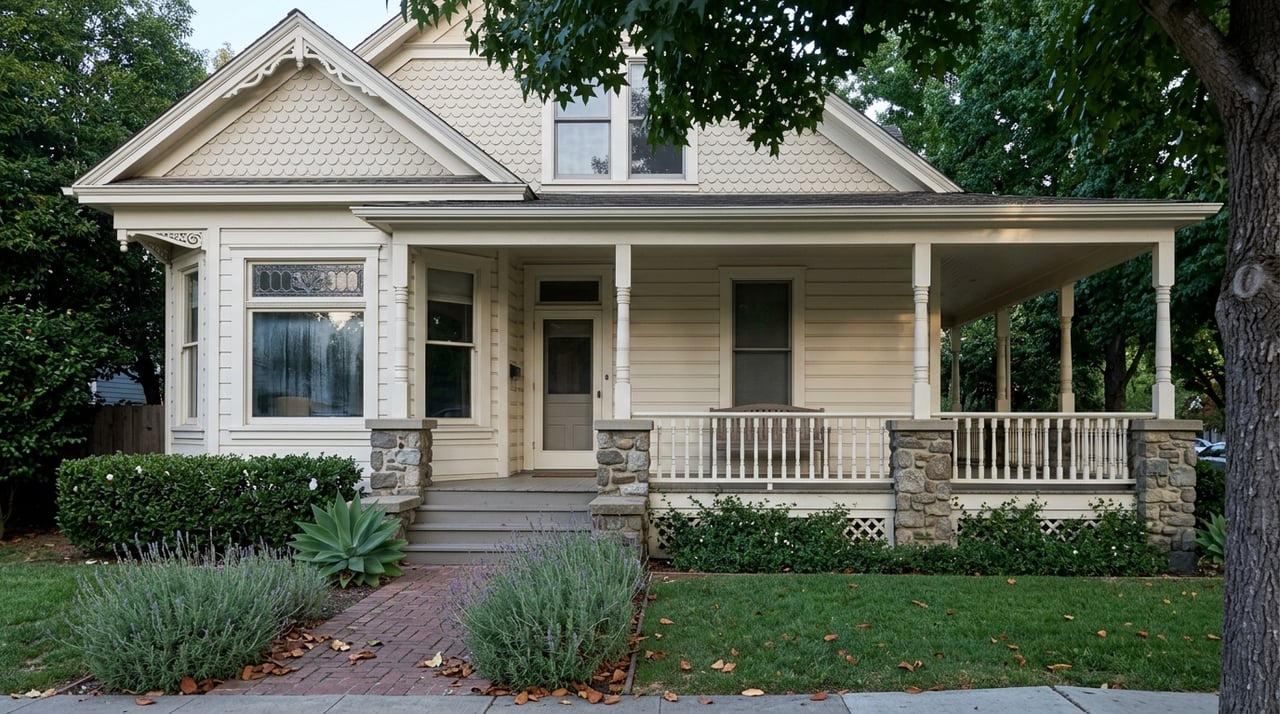
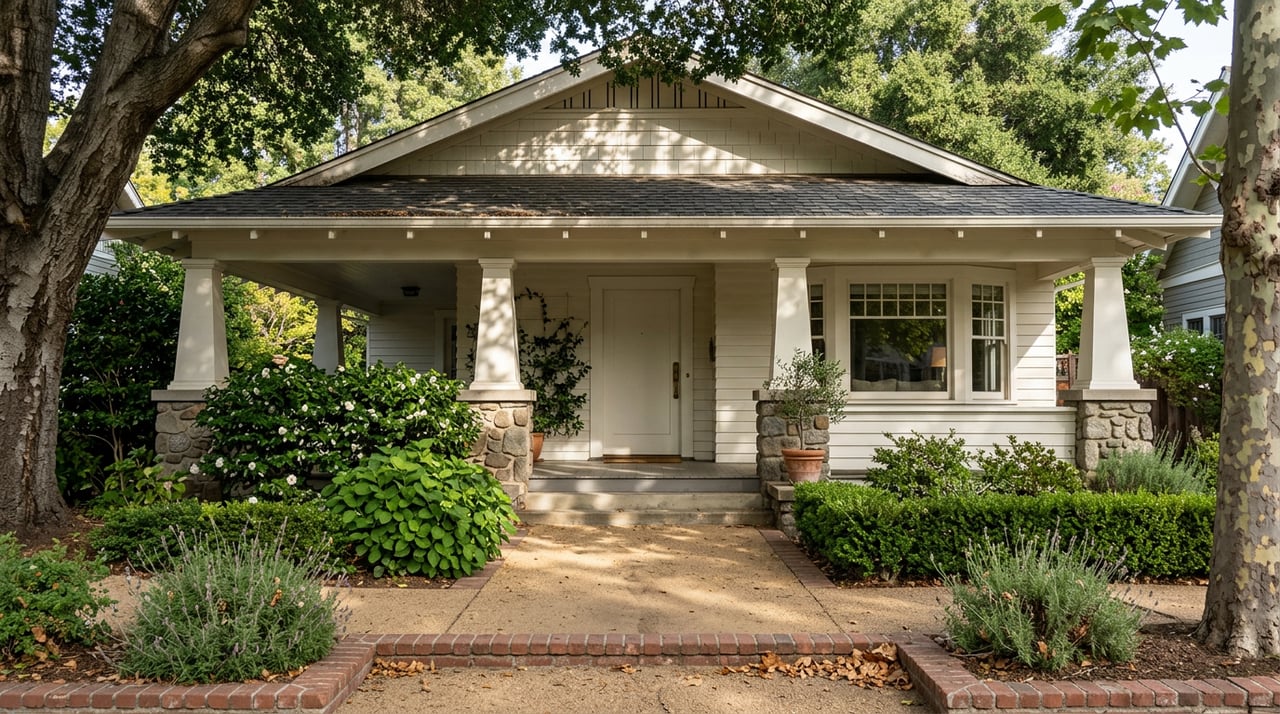
Walk two blocks in Bungalow Heaven and you'll find matched pairs: same 1912 footprint, same low-pitched gable, same tapered porch columns, priced within a few thousand dollars of each other. One listing sheet carries a line that reads "Mills Act contract in place." The other doesn't. Most buyers read that line as a bonus, a discount that came with the house at no extra work. Sometimes that's true. Sometimes it's closer to inheriting somebody else's paperwork, with a tax outcome that has little to do with the percentage a listing agent mentioned in passing.
Here's the piece worth understanding before you write an offer on a designated historic home in Bungalow Heaven, Garfield Heights, or Washington Square: a Mills Act contract doesn't hand you a fixed discount. It sets up a comparison the county recalculates the moment you become the new owner, and the number that lands on your first tax bill can look very different from what the seller was paying.
Pasadena's Historic Property Contract Program was created by city ordinance in October 2002 under the authority of the state's Mills Act. It lets owners of designated historic properties sign a ten-year agreement with the city that renews automatically each year. In exchange for maintaining the home to the Secretary of the Interior's Standards, the owner becomes eligible for a reassessed, often reduced, property tax bill. Pasadena's own program materials report that past participants have seen savings ranging from about 20 percent to 75 percent, averaging near 50 percent.
That range is real, and it's also not what shows up automatically once you close escrow. The Los Angeles County Assessor doesn't apply a flat discount to whatever the house is worth. Every year, the assessor calculates three separate values and enrolls whichever one is lowest.
Valuation method | How it's set | What triggers a reset |
|---|---|---|
Fair market value | Current sale price or market appraisal times the tax rate | Every change of ownership |
Proposition 13 factored base year value | Original purchase price plus a small annual adjustment | Resets to the new sale price when a property changes hands |
Mills Act restricted value | Income-capitalization formula set by the state Board of Equalization, independent of sale price | Recalculated annually, not tied to who owns the home |
Two of those three columns reset the moment a sale closes. The third doesn't. That's the whole story.
Say a longtime Bungalow Heaven owner bought their Craftsman decades ago and has held it long enough that their Proposition 13 base year value is already low. If that owner enrolled in the Mills Act, the income-capitalization formula might come in higher than their existing low basis, in which case the contract offers them little to nothing. Some long-term owners skip the program for exactly this reason, or enroll and see no visible change on their bill.
Now a buyer purchases that same home. The sale triggers a fresh reassessment: the Proposition 13 factored base year resets to the new purchase price, and the fair market value column reflects that same figure. The Mills Act restricted value doesn't move with the sale at all, since it's built from a state formula, not a purchase price. In a neighborhood where resale prices have climbed, the gap between a freshly reset, high Proposition 13 base and a formula-driven restricted value can be wide, which means the buyer's actual dollar savings under the same contract can end up larger than what the seller ever experienced, even though the "50 percent average" quoted in the listing had nothing to do with the seller's own basis.
The practical takeaway: don't ask the seller what they save under Mills Act and assume that number is yours. Ask the assessor's office what your restricted value would be calculated against your purchase price, because the comparison resets with every sale, and the assessor reviews it again every year after that. Los Angeles County's own guidance is direct on this point: Mills Act properties can see their assessed value rise or fall annually as market conditions change, the same as any other reassessment.
The contract itself, along with its obligations, does not reset at closing. Mills Act agreements carry an initial ten-year term with automatic annual extensions, creating what the county describes as a rolling term that stays in effect for as long as the property is enrolled. When a property sells, the new owner is bound by the same maintenance and preservation commitments as the person who originally signed, whether or not anyone walked them through the fine print during escrow.
That means the required rehabilitation and maintenance plan on file with the city, not just the tax benefit, comes with the house. If the prior owner agreed to specific work items, deferred maintenance repairs, or an inspection schedule as part of their original application, those commitments are now yours to keep current.
Not every listing that mentions Mills Act has a signed, recorded contract. Some sellers have only started the process. Pasadena's own program guidelines lay out a specific calendar: a contract recorded by December 31 is typically reassessed by the following June 30, so the reduced value doesn't actually appear on a tax bill until October of that year.
If a seller tells you they've applied but the contract hasn't been recorded yet, you're the one who will sit through the remainder of the Historic Preservation Commission review, City Council approval, and county recordation, and you're the one who won't see any adjusted bill until the following October at the earliest. Underwriting your first year of ownership around a savings percentage that hasn't actually been recorded is a common way buyers overestimate their early carrying costs.
One more diligence point worth flagging if your plans involve more than restoration: parcels inside a designated historic district are generally excluded from the state's ministerial lot-split and duplex pathway created by SB 9. If part of your math for a Bungalow Heaven or Garfield Heights purchase assumed a future lot split, confirm the property's historic status with the city's Design and Historic Preservation section before you rely on that assumption.
A few concrete steps protect you from the gap between what a listing implies and what the assessor will actually enroll:
Groups like the Washington Square Neighborhood Association maintain information specifically for owners in that district on how the Mills Act works and who to contact about contributing-structure status, which is a useful first call if you're evaluating a home there.
Does the Mills Act freeze my property tax permanently? No. The assessor recalculates all three values every year, and Mills Act properties can see their assessed value move up or down as market conditions change, the same as any other property.
Can I get out of a contract I'd rather not keep? Cancellation is uncommon and involves a formal process with the city, so plan to treat the maintenance obligations as a long-term commitment rather than something you can set aside if your renovation plans change.
A Mills Act contract is a genuine benefit in the right circumstances, and Pasadena's concentration of Craftsman homes along Orange Grove Boulevard and near the Arroyo Seco means you'll run into these contracts often if you're shopping Bungalow Heaven, Garfield Heights, or Washington Square. The mistake isn't pursuing one of these homes. It's assuming the seller's savings percentage previews your own, when the sale itself resets two of the three numbers the county compares.
If you're evaluating a historic property in North Pasadena and want a clear read on what a Mills Act contract would actually mean for your specific purchase price before you write an offer, Kate Amsbry can walk through the numbers with you. Request your complimentary home consultation and bring the listing details, and we'll help you separate the marketing language from what the assessor will actually enroll.
Stay up to date on the latest real estate trends.






Whether you’re mapping out a long-term plan or need to list next month, We're here to listen first, advise second, and guide every step until the ink is dry. Let’s connect—and turn your Pasadena dreams into a solid address.