The Newest Address In Old Town Monrovia Is Also The Oldest One
August 27, 2026
August 27, 2026
Ask someone who's lived in Monrovia for a decade what just opened on Ivy Avenue, and they'll tell you it's new. Ask them what's actually inside, and the story flips. The newest restaurant in Old Town is sitting inside some of the oldest houses Monrovia has left standing.
That reversal, new address, old bones, isn't a one-off. It's the same logic behind the Friday Night Street Fair still running after 23 years, the same logic behind the summer concert series that just moved a few blocks over, and the same logic behind a walking tour that spent two hours this July explaining why a handful of Victorian houses on Ivy Avenue mattered enough to save. Old Town keeps adding something new to do, but almost everything new turns out to be something old getting a second life.
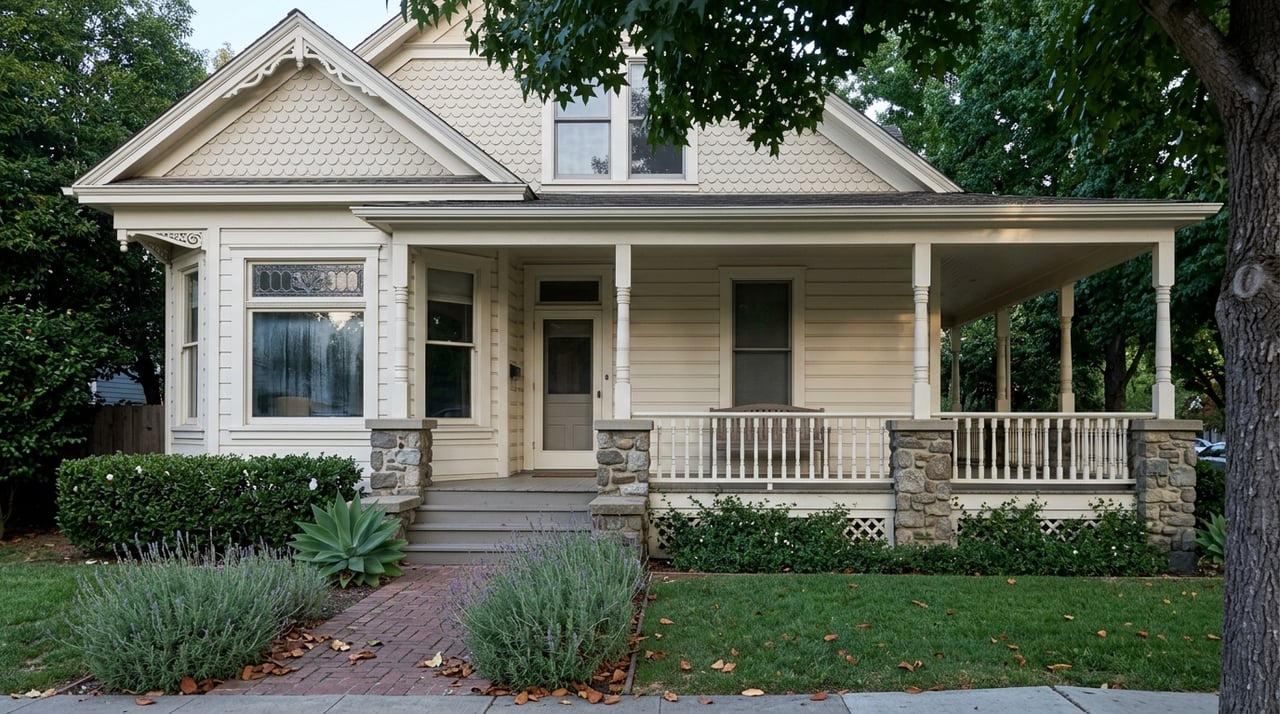
Viola's Bar & Bistro is the clearest example. It sits at 512 S. Ivy Avenue, inside a restored Victorian that was once the residence of former city historian Steve Baker. The property is part of a larger three-house restoration led by Saxony Design Build, in partnership with Experience CASA, with developers Joshua Cain and Jeff Godbold purchasing two of Monrovia's oldest homes and adding a third to the lot. The center house, now named the Blair House and Saxony Cottage complex, became Viola's. The two flanking homes are being converted into a boutique inn.
The restaurant's name isn't a marketing flourish. It's a nod to the previous owner's grandmother, Viola. Managing partner Casarah Gutierrez has described the concept as "French bistro meets Southern influence," with a menu centered on brunch and evening small plates and a beverage program built around beer and wine.
Construction timelines are rarely tidy, and this one slipped from an initial Memorial Day weekend target. The city confirmed in its July 10 update that the community was welcomed inside the property just before that weekend's fireworks show, meaning Viola's and the inn opened right around the Fourth of July. If you haven't walked past yet, both the restaurant and the inn are now open to visitors.
What makes this worth noticing isn't that Monrovia got a new restaurant. Towns get new restaurants constantly. It's that the newest thing to open in Old Town this year required saving three of the oldest structures in the city first. Preservation was the price of admission for something new.
If Viola's represents the newest layer of Old Town, the Friday Night Street Fair & Market represents the oldest continuously running one. It's now in its 23rd year, which puts its origin somewhere in the early 2000s, long before "shop local" became a marketing phrase rather than a description of what people actually did on a Friday.
The fair runs weekly, weather permitting, on the 500 to 800 blocks of South Myrtle Avenue, with the street closed to cars for the evening. It's owned by the City of Monrovia and produced by Los Angeles PartyWorks Inc, which keeps the format consistent from one week to the next: a certified farmers market, live music on the main stage, a kid zone with rides and a petting zoo, and food from the restaurants and vendors that line Myrtle the rest of the week too. It's frequently cited as one of the largest weekly street events in the state, which is a claim that gets easier to believe once you've tried to find parking on a Friday evening in Old Town.
The fair doesn't reinvent itself each season. It doesn't need to. Its value is that it hasn't changed shape in over two decades while the businesses around it have.
Pull back from Myrtle Avenue and the same pattern shows up in how the city runs its public events. Long-running programs simply relocate or refresh rather than get replaced. This year's lineup:
That last one matters more than it looks. The Historic Preservation Group, alongside the city's Legacy Project, has spent years documenting what locals call Monrovia's "first houses," the earliest surviving residential structures in the city. That cataloging effort is exactly why neighbors pay close attention when a property like the one on Ivy Avenue changes hands. It's not idle curiosity. There's an actual record of what these buildings are and why losing one would cost the city something a new build couldn't replace.
None of this means Old Town is frozen. Sunday's Old Town Bistro at 520 S. Myrtle Avenue has been family-owned and operated for more than a decade, known locally for its crepes and a breakfast crowd that includes plenty of regulars showing off Monrovia to out-of-town guests. A few doors down, Fillet Sushi has built a reputation as a modern Japanese omakase destination, the kind of place that didn't exist in Old Town a decade ago and now anchors a very different kind of evening out.
So the neighborhood isn't choosing between preservation and growth. It's layering them. A hundred-year-old Victorian becomes a bar and bistro. A farmers market that predates most of the surrounding restaurants keeps drawing the same weekly crowd. A sushi counter opens two blocks from a bistro that's been serving the same crepe recipe for ten years. Each addition sits inside, not on top of, whatever came before it.
That's the thing about Old Town Monrovia that a single news item about a restaurant opening won't tell you. The town's newest chapter keeps getting written inside its oldest buildings, on its oldest weekly schedule, using a preservation record the city has been keeping for years. Growth here doesn't erase what was already there. It just gives it a reason to stay open a little longer.
If wandering into these details is your idea of a good Friday night, you already understand what makes Monrovia worth paying attention to, long before any of it has anything to do with real estate. And if the day ever comes when you're thinking about a move within Monrovia or into it, Kate Amsbry knows this town at the same level of detail. Request a complimentary home consultation whenever that day arrives.
Stay up to date on the latest real estate trends.
Whether you’re mapping out a long-term plan or need to list next month, We're here to listen first, advise second, and guide every step until the ink is dry. Let’s connect—and turn your Pasadena dreams into a solid address.