Understanding South Pasadena Craftsman Home Features
November 27, 2025
November 27, 2025
Love the look of wide porches, warm wood, and honest craftsmanship? If you are drawn to South Pasadena’s tree-lined streets, chances are you have admired a Craftsman bungalow. Understanding what defines this style helps you spot quality, plan updates, and speak confidently when you buy or sell. In this guide, you will learn the core features, local variations, and practical steps to preserve value in a South Pasadena Craftsman. Let’s dive in.
The American Craftsman style grew from the Arts and Crafts movement and was most popular from about 1905 to the 1930s. In Southern California, it evolved into the California bungalow that flourished in the 1910s and 1920s. Pasadena became a national center for high-end design, with Greene and Greene’s Gamble House as a noted example. South Pasadena developed as a streetcar suburb in the same era and today has many authentic bungalows and Craftsman houses, from modest to more formal versions.
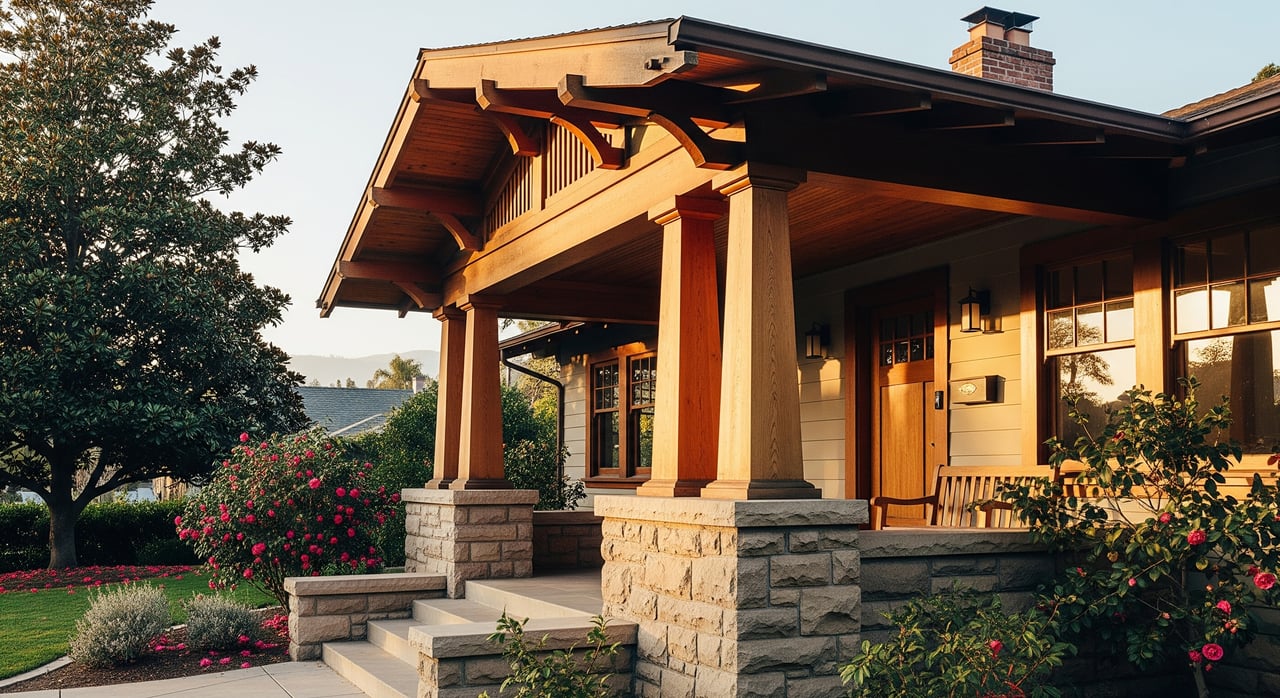
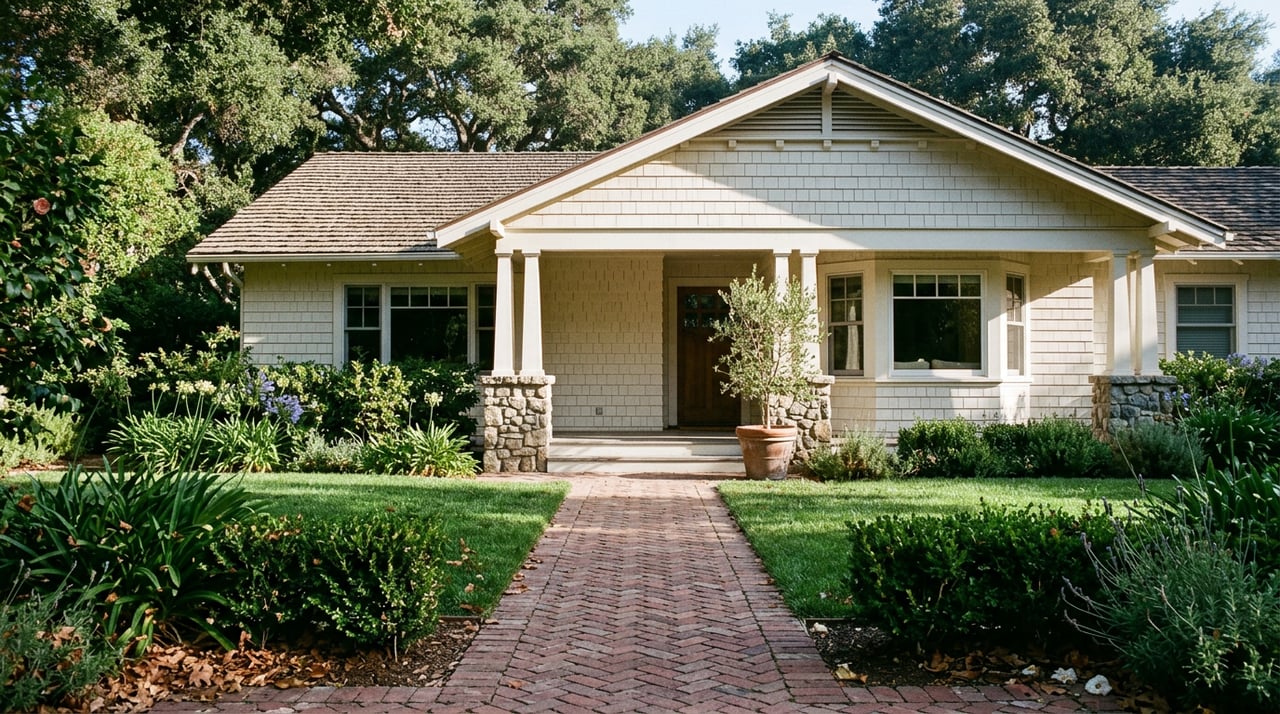
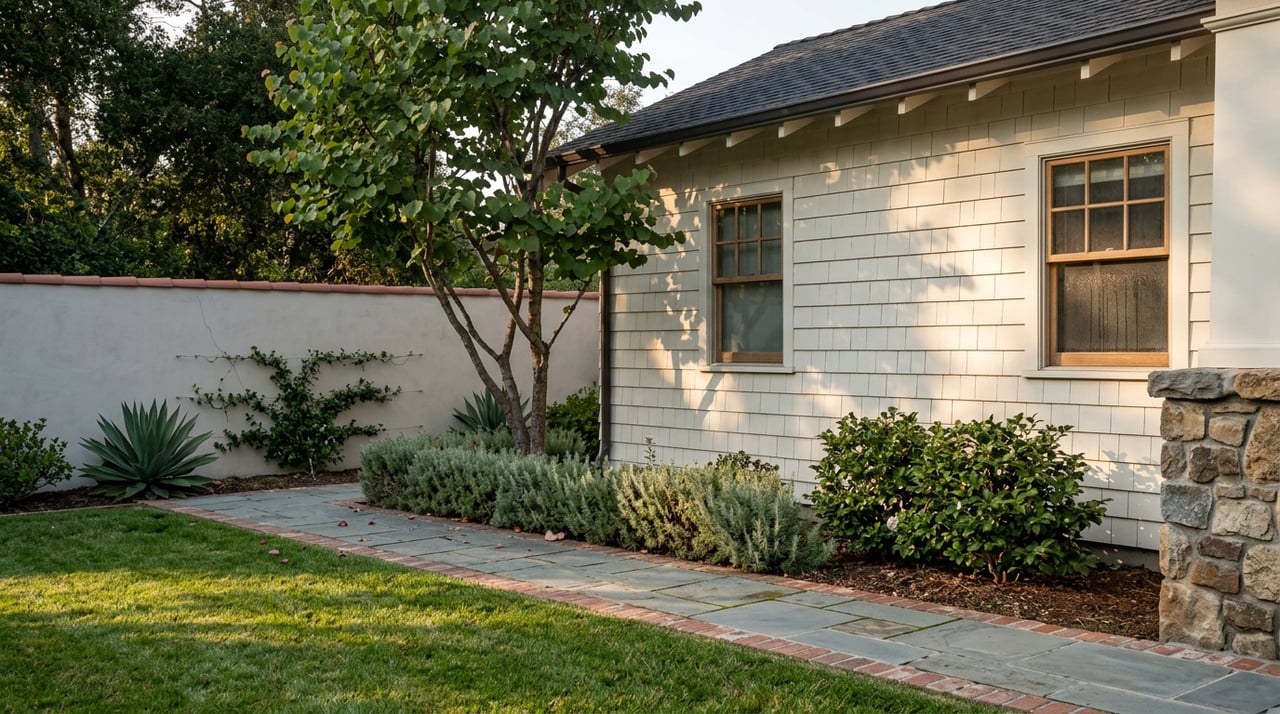
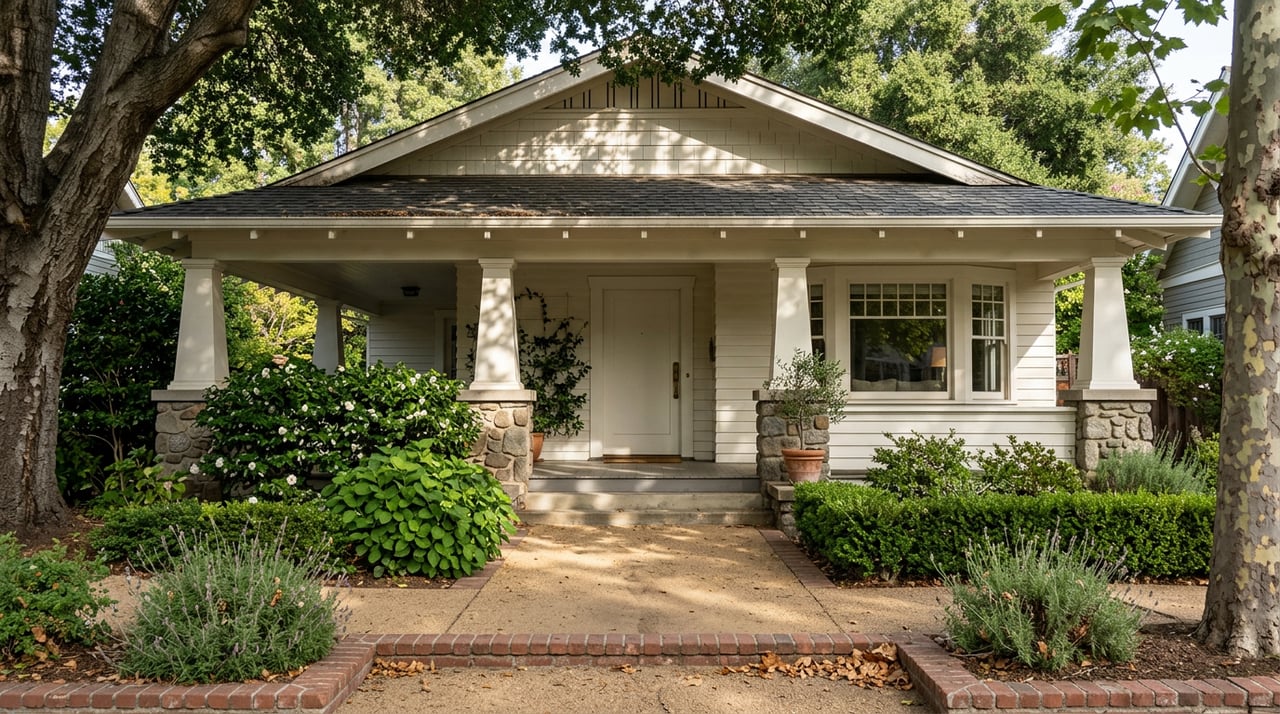
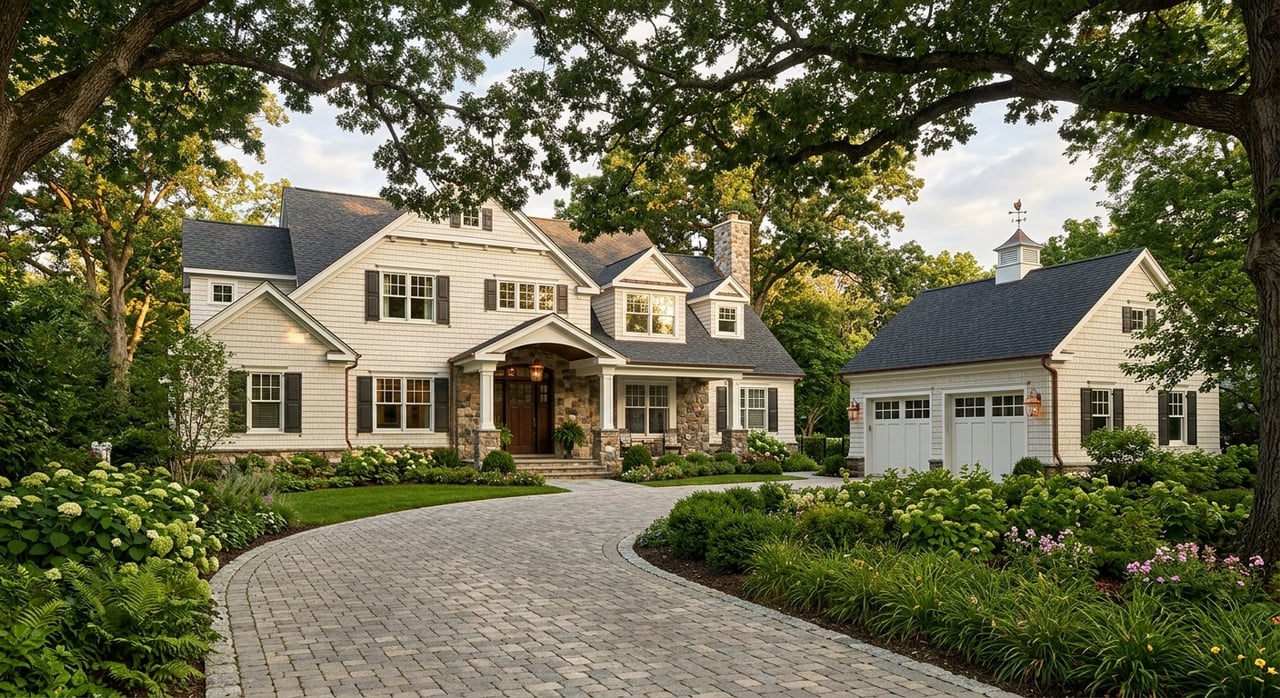
Look for low-pitched gabled roofs with wide eaves and exposed rafter tails or decorative brackets. Most homes feature a large front porch under the main roof, often with tapered square columns set on stone, brick, or stucco piers. You will see natural materials like painted wood siding, shingles in the gables, and sometimes river rock foundations or chimneys. Grouped double-hung windows are common, often with multi-light upper sashes over a single pane below, and occasionally with leaded or stained glass accents.
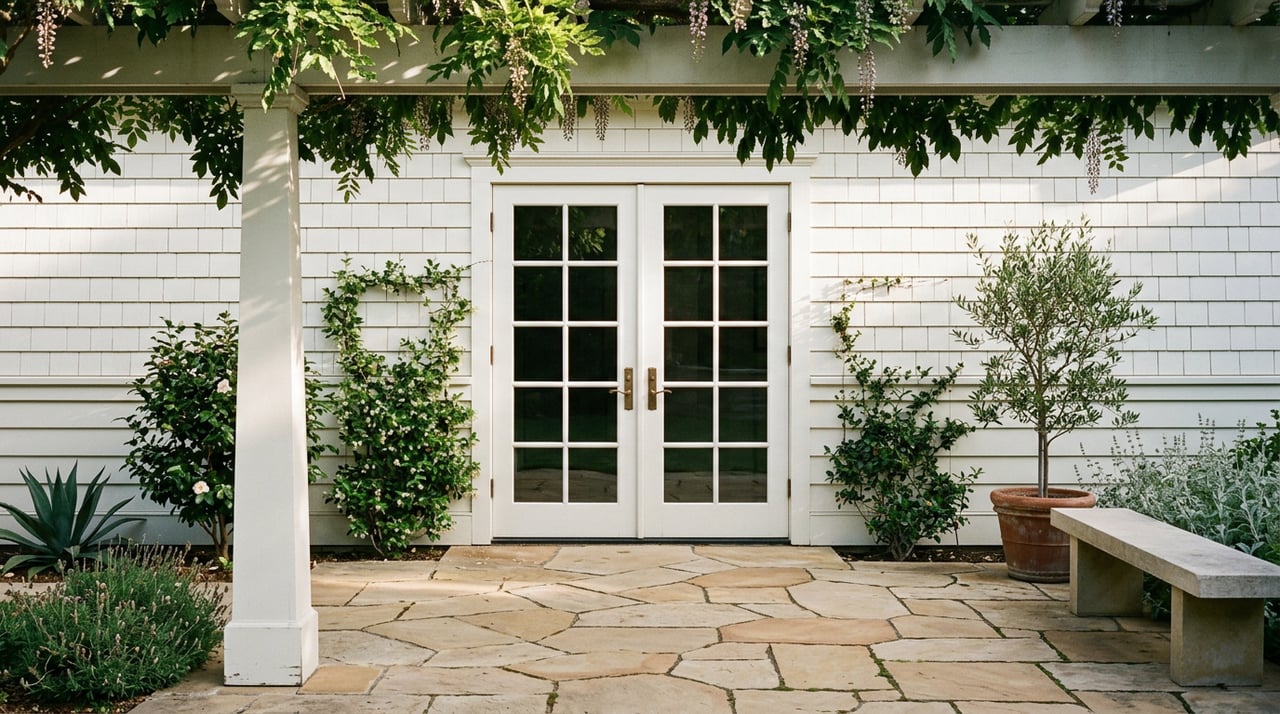
South Pasadena examples often emphasize shaded porches and simple indoor–outdoor flow suited to our climate. Overhangs, breezeways, and garden-forward entries help with cooling and daily living. The overall feeling is low, horizontal, and grounded in natural materials. Even smaller homes can feel welcoming thanks to the porch and entry sequence.
Compared to Victorian homes, bungalows shifted to simpler, more efficient layouts. You will often find a living room and dining room at the core, with bedrooms off a short hall and minimal wasted space. The plan is more open than older styles, yet rooms still feel distinct. Many homes remain primarily single level, with attic or dormer spaces in some cases.
Craftsman homes celebrate woodwork. Built-in bookcases, window seats, and hutches are signature features. Wide baseboards, substantial trim at doors and windows, and exposed or boxed beam ceilings show off the craftsmanship. Floors are typically hardwood, often fir or oak, with narrow planks or distinct inlay patterns.
A fireplace usually anchors the living room, sometimes flanked by built-in cabinetry or an inglenook. Tile or stone surrounds add texture and color. Period lighting and hardware, along with art or leaded glass, bring a soft glow and detail that many buyers treasure. Preserving these elements goes a long way toward maintaining character and value.
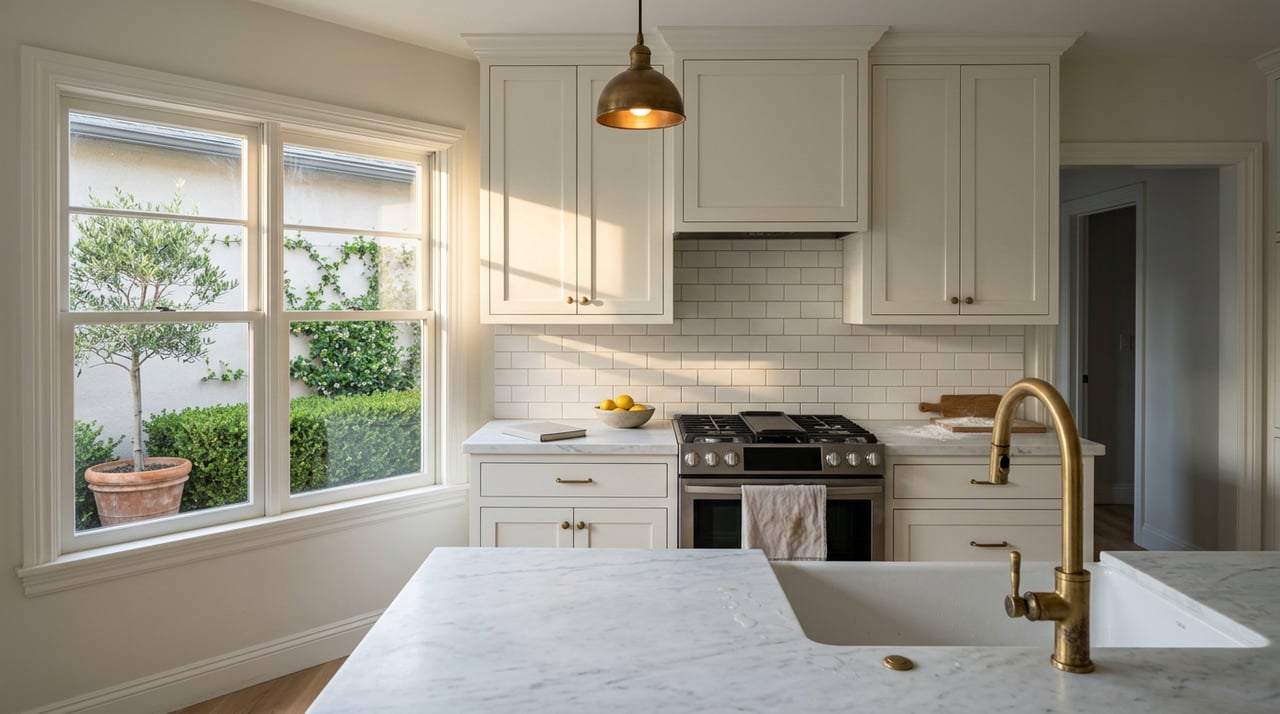
Original kitchens were compact and task-focused. Many South Pasadena homes now have expanded or remodeled kitchens and updated baths. The best updates respect proportions and materials, using cabinetry profiles, tile, and fixtures that echo the era while meeting modern expectations.
Craftsman homes prize natural materials, visible joinery, and hand-crafted details. In Southern California, exterior finishes often include painted wood siding, stucco, and shingle accents. High-style versions influenced by firms like Greene and Greene show custom joinery, fine cabinetry, and art glass. More modest tract or kit bungalows use simpler, prefabricated trim and built-ins. Both types can be wonderful to live in and own. The key is to recognize what is original, what is a period-appropriate replacement, and what is a later change.
South Pasadena offers a range of Craftsman-era homes, from small 1–2 bedroom bungalows to larger foursquares and modified Craftsman houses with 2–3 bedrooms. Some homes include dormers or multiple gables that add usable space upstairs. Rooflines, porch details, and window groupings vary, yet the overall language stays consistent.
It is common to see porch enclosures, rear additions, and renovated kitchens. These changes can be compatible when they respect the original massing and materials. When you evaluate a property, note which elements are original and which are later additions. This helps you understand both value and potential permit needs.
Some Craftsman homes are individually designated historic landmarks or fall within local historic districts, while many are not. Always confirm a property’s status with city planning or preservation staff. If a home is designated or within a district, exterior changes, additions, or demolition typically require review. Rules and potential incentives can differ by listing type, so direct confirmation is important.
California’s Mills Act can reduce property taxes for qualifying historic properties in exchange for good-faith maintenance and preservation. The program is administered locally and participation varies by city. If you are considering Mills Act benefits, check with the City of South Pasadena on eligibility and application details before you buy or start work.
Older homes often include past alterations that may not have been permitted. Verify permits for additions, reroofing, or major system upgrades during due diligence. Seismic retrofits, electrical modernization, plumbing updates, and structural reinforcement may be advisable for safety and insurance. Confirm scope with qualified inspectors and licensed contractors before you plan improvements.
Protect the elements that give your home presence: built-ins, millwork, original windows, and the fireplace surround. When replacements are necessary, choose profiles, materials, and finishes that match or closely replicate the originals. Sensitive choices help maintain historic integrity and often support resale.
To improve comfort without erasing character, consider attic insulation, weatherstripping, and interior or traditional storm solutions rather than wholesale window replacement. Upgrade HVAC and water heaters in ways that avoid altering visible historic fabric. Targeted improvements can meaningfully reduce energy costs while preserving the home’s look.
Modern kitchens and baths can blend with Craftsman proportions. Use natural wood tones, simple cabinet profiles, artisan tile, and matte metals that complement original finishes. Keep window and door trim consistent with the rest of the house to tie new work to old.
Craftsman homes are consistently desirable for their warmth, porch-forward living, and authentic details. Original features like intact built-ins, quality millwork, and art glass are often viewed positively by buyers and can support marketability. Many buyers look for a balance of preserved character and updated systems for everyday comfort. Renovations that are sympathetic to the style and properly permitted tend to be better received by appraisers and buyers than unpermitted or out-of-character changes.
Buying or selling a Craftsman in South Pasadena benefits from a clear plan: identify authentic features, verify permits, prioritize inspections, and present the home with the right blend of story and detail. With neighborhood-level expertise and concierge support, you can move efficiently while protecting value. If you are considering a sale or want help evaluating a home’s condition and potential, connect with Kate Amsbry for boutique, local guidance.
Stay up to date on the latest real estate trends.

Whether you’re mapping out a long-term plan or need to list next month, We're here to listen first, advise second, and guide every step until the ink is dry. Let’s connect—and turn your Pasadena dreams into a solid address.