Sierra Madre vs Monrovia Homes: Compare Two Foothill Markets
April 16, 2026
April 16, 2026
Trying to choose between Sierra Madre and Monrovia? If you are drawn to the San Gabriel Valley foothills, both towns offer mountain views, outdoor access, and established residential areas, but they do not live the same day to day. The differences show up in housing mix, pricing signals, neighborhood scale, and how each downtown feels. This guide will help you compare the two so you can focus your search with more confidence. Let’s dive in.
If you are comparing these two markets by budget, the answer depends on which data point you use. In Redfin’s February 2026 snapshot, Sierra Madre’s median sale price was $960,000, while Monrovia came in at $1.185 million. That said, Sierra Madre had only seven sales that month, so one month of closed sales can shift quickly based on which homes happened to sell.
Longer-run Census housing data paints a different picture. According to U.S. Census QuickFacts, Sierra Madre had a median owner-occupied home value of $1,226,800 compared with $909,400 in Monrovia. The same source also shows median gross rent at $2,198 in Sierra Madre and $2,114 in Monrovia.
The practical takeaway is simple: both are expensive foothill markets, but Sierra Madre generally reads as the tighter, more owner-oriented market over time. Monrovia may offer more pricing variation because of its broader housing mix.
Another useful way to compare the two is by ownership patterns. Census data shows Sierra Madre with a 55.8% owner-occupied housing rate, compared with 46.3% in Monrovia. Sierra Madre also reports a higher median household income at $143,547 versus $96,021 in Monrovia.
For you as a buyer, that can help explain why Sierra Madre often feels more centered on long-term ownership. For you as a seller, it may also reinforce the appeal of the market to buyers looking for a foothill setting with a strong single-family orientation.
Sierra Madre remains heavily single-family in feel. The city’s Housing Element states that single-family homes made up 76% of the 2020 housing stock, while multifamily units made up 24%.
That same document describes Sierra Madre as largely built out, with most new development coming through additions, replacement homes, or new single-family construction. You will find some apartments and condominiums near the downtown core, but the overall housing pattern remains low-rise and residential.
Monrovia offers a wider range of housing choices. The city notes that while Monrovia began as a single-family community, it now includes apartments, townhomes, ADUs, and mixed-use projects. On the city’s Living in Monrovia page, you can see that Old Town and Station Square are specifically associated with apartment and townhome options.
The city also describes the proposed 701 S. Myrtle project as adding 204 residential units plus retail in the Old Town Extension area. If you want more flexibility in property type or a stronger mixed-use presence, Monrovia is usually the more natural fit.
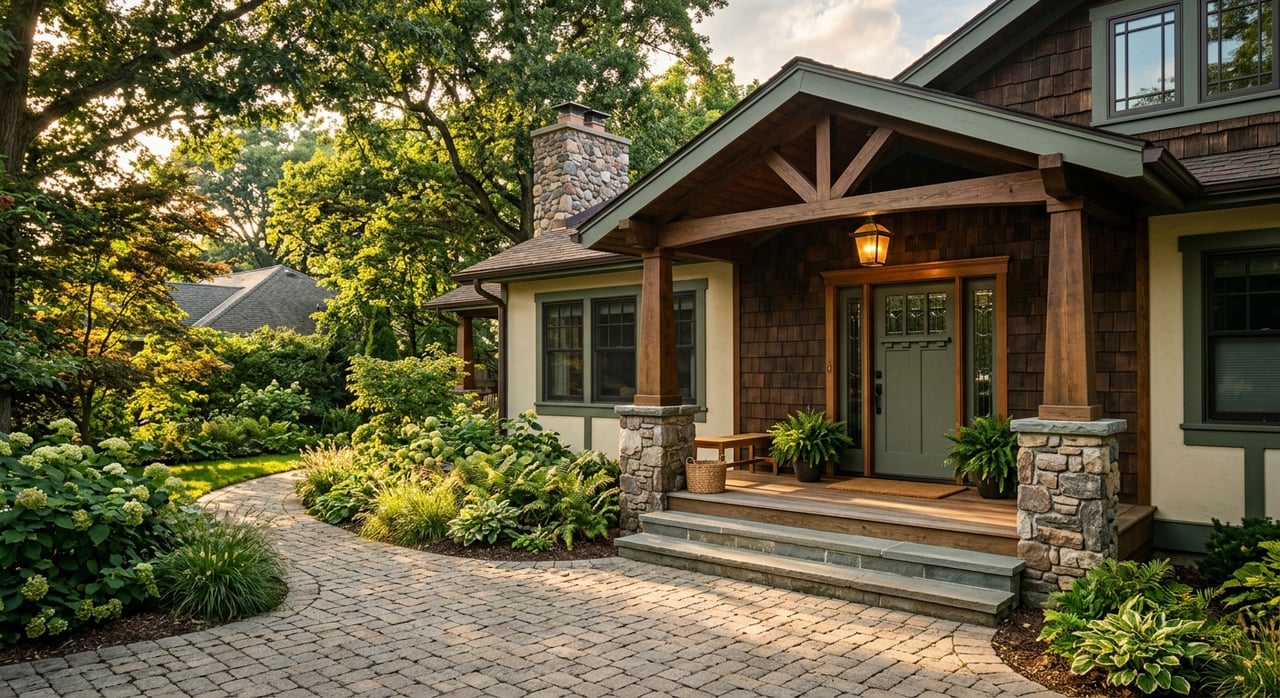
Sierra Madre is often described by the city as a foothill village with tree-lined residential streets, traditional architecture, and a central downtown district. City planning materials point to a village center with small storefronts, restaurants, and professional offices, while other city documents emphasize mature trees and older architectural styles. In everyday terms, Sierra Madre tends to feel compact, historic, and neighborhood-focused.
Scale also plays a role. Census estimates show Sierra Madre with 10,775 residents across 2.95 square miles in 2024. That smaller footprint helps explain why many buyers experience it as more intimate and easy to understand block by block.
Monrovia is larger and more varied from one area to another. The city describes itself as a foothill community with an award-winning downtown, and notes that some residential areas are within walking distance of the Metro station and Old Town. City materials also highlight newer apartment communities near Station Square, which contributes to a busier, more mixed-use rhythm.
On size alone, Monrovia feels broader. The same Census source lists Monrovia at 37,934 residents over 13.63 square miles. For you, that may translate to more internal variety, more district-to-district differences, and more options depending on what kind of daily setting you prefer.
If quick access to the foothills is high on your list, Sierra Madre stands out. The city highlights Bailey Canyon Park, Bailey Canyon Wilderness Park, and the Mt. Wilson Trail, which connects to the Sierra Madre Historical Wilderness Area and routes toward Mount Wilson Observatory.
Memorial Park sits near the center of town and hosts community events, with local dining options within walking distance. The overall experience is more close-in and village-like, especially if you want outdoor access woven into a smaller downtown setting.
Monrovia has a broader recreation system. The city’s Canyon Park information notes that Monrovia Canyon Park is open to the public, includes more than 100 parking spaces, and offers direct access to trails and the waterfall. The Hillside Wilderness Preserve adds more than 4.5 miles of trails through four access points.
For dining, Monrovia’s strongest concentration is in Old Town and Restaurant Row. City information also notes that street parking dining is allowed only in Old Town, which reinforces its role as a more active restaurant and event hub.
Neither city is universally better. The better fit depends on the kind of home, setting, and daily routine you want.
Online research helps, but these two markets are best understood on the ground. If you are serious about buying, it helps to visit both downtown areas, drive the residential streets, and compare how close each home feels to the places you expect to use most often.
A focused comparison can include:
If you are selling in Sierra Madre or nearby foothill communities, this comparison also matters because buyers often cross-shop these two markets. Clear positioning around lifestyle, housing type, and location advantages can help your home stand out.
If you want help weighing Sierra Madre against Monrovia, or planning your next move in the foothills, Kate Amsbry offers thoughtful, concierge-level guidance tailored to your goals.
Stay up to date on the latest real estate trends.
Whether you’re mapping out a long-term plan or need to list next month, We're here to listen first, advise second, and guide every step until the ink is dry. Let’s connect—and turn your Pasadena dreams into a solid address.