Thinking about selling your Sierra Madre home and wondering if a pre-listing inspection is worth it? You are not alone. Many local homes are older or sit near foothill slopes, which can bring hidden issues to light at the worst time. In this guide, you will learn what a pre-listing inspection covers, typical costs and timing, common Sierra Madre findings, and how an inspection can shape pricing and negotiation. Let’s dive in.
What a pre-listing inspection is
A pre-listing inspection is a seller-ordered review of your home’s condition before it goes on the market. A general home inspection looks at the structure, roof, electrical, plumbing, HVAC, and more. You can add specialty inspections such as termite, sewer scope, roof, structural engineer review, pool, chimney, and environmental tests when needed.
In California, you must disclose known material defects using required forms like the Transfer Disclosure Statement and the Natural Hazard Disclosure. A pre-listing inspection does not replace those forms. It helps you uncover issues early so you can repair, price, and disclose accurately.
Why it matters in Sierra Madre
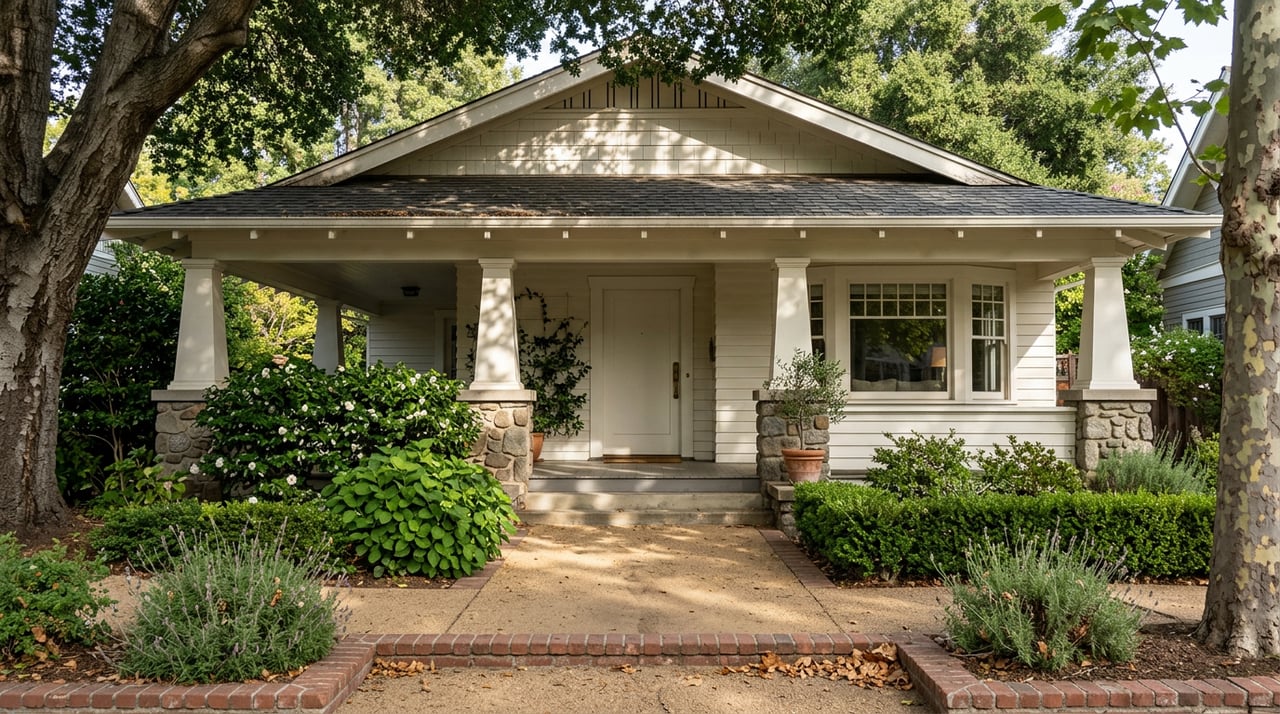
Sierra Madre’s housing stock includes many Craftsman-era and mid-century homes, plus hillside properties near the wildland interface. These characteristics influence buyer questions and inspection findings.
Common issues in local sales include:
- Termites and wood-destroying organisms in older wood-frame homes.
- Drainage, retaining wall, and slope stability concerns near hillsides.
- Roof wear from sun and seasonal storms, sometimes nearing replacement.
- Sewer lateral problems in older neighborhoods, often from tree-root intrusion.
- Outdated systems such as older electrical panels, galvanized plumbing, and aging HVAC.
- Hazard considerations that appear on required natural hazard maps.
- Historic-home specifics like potential lead-based paint or asbestos, and unpermitted alterations.
Pros and cons at a glance
Top benefits
- Fewer surprises that can derail escrow or trigger large credits.
- Smarter pricing and marketing with clear condition data.
- Ability to make repairs on your schedule with contractors you choose.
- Transparency that can build buyer confidence with a “pre-inspected” presentation.
- Better documentation to support accurate disclosures.
Potential drawbacks
- Upfront costs for inspections and any repairs you choose to make.
- Discovery of major issues that may impact pricing or buyer interest.
- Reports are often shared with buyers and can be used in negotiations.
Costs and timing in the LA area
Here are typical ranges in the Los Angeles market. Actual costs vary by size, age, and complexity.
- General home inspection: about $300–$600
- Termite/WDO inspection: about $75–$250 for the report; treatment varies
- Sewer scope: about $150–$400
- Structural engineer review: about $500–$2,000+
- Specialty tests (lead, asbestos, mold): about $150–$600+ per sample or inspection
Plan to schedule inspections 2 to 4 weeks before listing. This gives you time to gather repair bids, complete strategic fixes, and finalize your pricing and disclosures.
Which inspections to consider
Essentials for most sellers
- General home inspection to understand overall condition.
- Termite/WDO inspection by a licensed operator. Lenders commonly require pest reports and clearances.
Add-ons when indicated
- Sewer scope for older homes, big trees near the line, or slow drains.
- Roof inspection for aging roofs or past leak history.
- Structural engineer if you see significant cracks, slope settlement, or retaining wall issues.
- Specialty inspections for pools, chimneys, HVAC, or environmental concerns in older homes.
How inspections shape pricing and negotiation
A strong pre-listing plan guides how you price, market, and negotiate.
- Repair major safety or structural items before listing. Keep receipts and any warranties.
- Make selective improvements and price accordingly.
- Offer a credit at the offer stage for disclosed issues.
- Sell as-is with full disclosure and share the report upfront with serious buyers.
Even with a pre-listing inspection, buyers or their lenders will likely order their own inspections. Your goal is to minimize surprises that could lead to re-trades or delays.
Permits and city checks in Sierra Madre
Before listing, review your property’s permit history with the City of Sierra Madre Building and Planning Departments. Confirm whether any additions or alterations were permitted and finaled. Some LA-area cities require sewer-lateral work or other compliance at sale, so verify any local requirements that might apply. Accurate permits and clear documentation help reduce friction during escrow.
Step-by-step pre-listing plan
- Order a general pre-listing home inspection 2 to 4 weeks before listing.
- Schedule a licensed termite/WDO inspection at the same time.
- Add a sewer scope for older homes or when tree roots or slow drains are present.
- Call a structural engineer if you see notable cracks, slope movement, or retaining wall concerns.
- Check city permit records and address any unpermitted work or open permits.
- Obtain written bids and timelines from licensed contractors for any chosen repairs.
- Decide your strategy: complete repairs, disclose and offer a credit, or sell as-is with the report.
- Prepare required disclosures, including the Transfer Disclosure Statement and Natural Hazard Disclosure.
- Set pricing with your agent based on condition, market data, and your repair decisions.
Are pre-listing inspections worth it?
For many Sierra Madre sellers, especially with older or hillside homes, a targeted pre-listing inspection is often worth the cost. It reduces the risk of escrow turbulence, supports smarter pricing, and lets you handle repairs on your terms. For newer or recently updated properties, a pre-inspection is still useful for transparency, though the scope may be lighter.
If you want help tailoring the right approach for your property, reach out. With a concierge-style listing process and neighborhood-level expertise, we will help you decide which inspections matter most and how to present the results for a confident sale.
Ready to plan your sale with a local, high-touch advisor? Connect with Kate Amsbry for a complimentary home consultation.
FAQs
Will a pre-listing inspection replace a buyer’s inspection?
- No. Buyers and lenders often order their own inspections, but your pre-inspection reduces the chance of new issues causing delays or credits.
Does a pre-listing inspection reduce legal risk for California sellers?
- It helps you identify issues and document steps taken. You still must disclose known defects using required forms, and a pre-inspection supports accurate disclosure.
Which inspections are essential for Sierra Madre sellers?
- A general home inspection and a termite/WDO inspection are common essentials. Add sewer, roof, structural, or specialty inspections based on age, slope, symptoms, or features.
How much should I budget for pre-listing inspections?
- Many sellers spend a few hundred dollars for a general and WDO inspection. Older or hillside homes may need additional inspections that can push total costs higher.
When should I schedule a pre-listing inspection?
- Book inspections 2 to 4 weeks before hitting the market so you can gather bids, complete key repairs, and finalize pricing and disclosures.