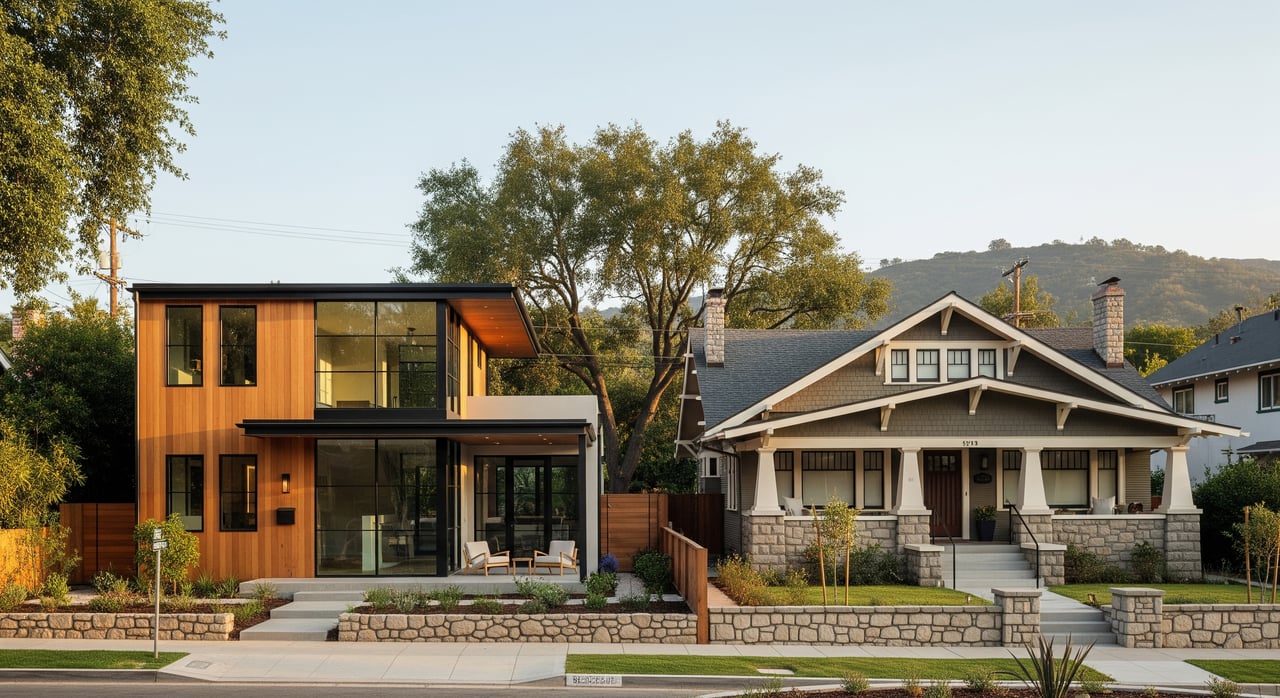
North Pasadena: Choosing Between New and Historic Homes
December 4, 2025
December 4, 2025
Tour a classic Craftsman on a leafy North Pasadena street, then step into a sleek new build a few blocks away, and the choice can feel overwhelming. Each path offers real advantages, and each comes with different costs, timelines, and rules. If you are weighing charm and history against turnkey convenience, you are not alone. In this guide, you will learn how new construction and historic homes compare in North Pasadena across lifestyle, maintenance, energy efficiency, permitting, and resale so you can move forward with clarity. Let’s dive in.
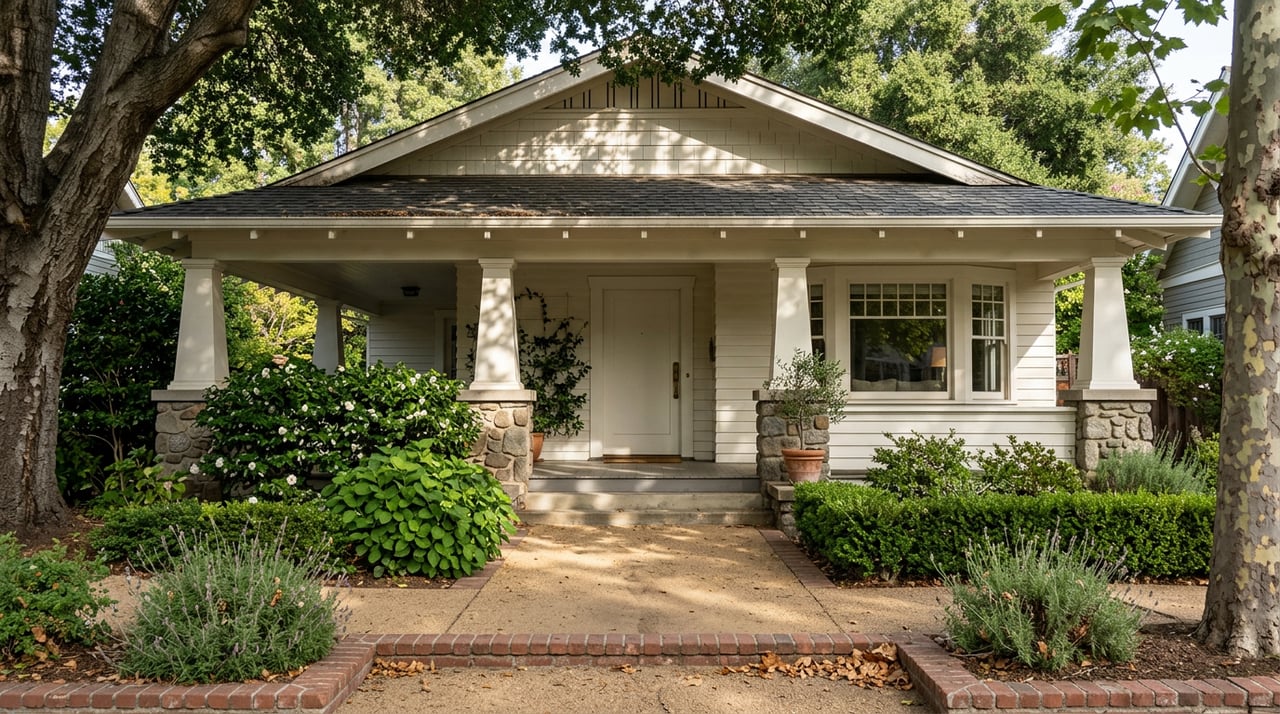
North Pasadena generally refers to neighborhoods north of Colorado Boulevard. You will find older, established streets with mature trees and historic architecture, plus pockets of infill where newer single-family and small multi-family projects have emerged. Bungalow Heaven, a designated Historic District, is one of the best-known areas for early 20th-century Craftsman bungalows.
Housing types vary block by block. Historic homes often have original wood floors, built-ins, and period details. Newer homes favor open layouts, larger kitchens, and modern systems. Lots tend to be modest in size, and zoning controls setbacks, height, and lot coverage, which can affect expansion or the feasibility of an ADU.
Historic homes shine if you value authentic architecture, neighborhood identity, and mature landscaping. Floor plans can be more compartmentalized, which some owners love for defined rooms. If the story of a house matters to you, a historic property may feel like home.
New construction is ideal when you want open flow, indoor-outdoor living, and minimal projects after closing. Contemporary layouts are designed for daily convenience, with modern kitchens, primary suites, and storage built in.
Historic properties often need ongoing care and selective upgrades. Common projects include electrical and plumbing updates, HVAC improvements, insulation, roof work, and termite treatment. Repairs can be more specialized if you aim to preserve original materials.
Newer homes are built to current code with new mechanicals. That typically means fewer near-term projects and lower maintenance in the first years. Builders may provide warranties that cover structure and systems for a defined period, which can add peace of mind.
New homes must meet California Title 24 energy standards. In most cases, new single-family homes and low-rise multi-family buildings also include solar PV under the statewide residential solar requirement. You get energy-efficient construction out of the box.
Historic homes can be improved with targeted retrofits. Insulation, efficient HVAC, and window strategies can boost performance. If the property sits in a historic district, exterior changes may require review to maintain historic character.
Older homes may benefit from seismic retrofits, such as bracing cripple walls or addressing foundation issues. These upgrades can improve safety and are often encouraged by insurers and lenders. Scope and cost depend on the home’s construction and current condition.
New construction must meet current seismic standards. That code-compliant foundation and framing are valuable in earthquake country.
Purchase prices vary with location, condition, and market cycles. In some cases, restored historic properties command a premium for character. In other cases, new construction sells higher for turnkey convenience and modern amenities. Local comps are essential for a clear picture.
Renovation costs can run higher per square foot on historic homes when you preserve period details, use specialist trades, or complete permit-driven work. On the other hand, selective updates can be scaled to budget and timeline if you do not plan a full restoration.
Ongoing maintenance differs, too. Historic homes often need more frequent exterior upkeep for roofs, windows, and finishes. Newer homes may have lower near-term costs, though all systems will eventually reach regular service intervals.
New construction timelines depend on permitting, site conditions, and the scope of work. Ground-up builds can take many months or more than a year from approvals to completion.
Historic updates range from quick cosmetic refreshes to longer structural or systems projects. If the property is in a designated historic district, exterior alterations could require review, which may add time.
Insurance for older homes can be higher due to replacement costs and specialized materials. Seismic coverage is separate and often recommended in Southern California. Appraisals on unique historic properties may require deeper comparables and experienced valuation.
Financing choices differ by project. New construction may use construction-to-permanent loans with draws during the build. Historic renovations can be financed with renovation loans or paired strategies that combine acquisition and improvement funds. Work with lenders who understand rehab and construction products.
Historic homes appeal to buyers who prioritize character and neighborhood identity. In sought-after historic districts, demand can be strong for well-maintained properties. The buyer pool may be more niche but highly motivated.
Newer homes tend to attract a wider range of buyers who want move-in-ready living, energy efficiency, and contemporary design. Resale performance can vary by street, quality of finishes, and the surrounding neighborhood fabric.
If a property is within a local historic district or has a formal historic designation, exterior work, additions, and demolitions are reviewed through Pasadena’s Historic Preservation program. The process typically follows accepted preservation standards and local ordinances. Expect design review for projects that alter the exterior.
The Mills Act allows local governments to reduce property taxes for owners of qualified historic properties who agree to maintain and preserve them. Pasadena has historically offered Mills Act contracts. Buyers should verify whether a home has a contract in place and confirm the terms and transferability before closing.
Zoning defines allowable uses, lot coverage, height, and parking, and it guides whether a lot can accommodate an ADU or a subdivision. ADUs in Pasadena follow state law with local design review considerations. On historic properties, placement and exterior design may face added scrutiny to preserve character.
All new construction must meet the California Building Code and Title 24 energy standards. Most new low-rise residential builds include solar PV. Permits are required for significant alterations, additions, and systems work, including seismic upgrades and electrical or plumbing changes.
Mature and heritage trees may be protected. Removal can require permits or mitigation. In historic districts, landscape changes that affect the streetscape could trigger review.
Demolition in a historic district or of a designated resource generally requires discretionary review. Policies often favor preservation or mitigation, which can lengthen timelines and introduce public input. Plan accordingly if your strategy involves replacement rather than rehabilitation.
Choose a historic home if you love period architecture, appreciate neighborhood stories, and are comfortable with ongoing stewardship. You will likely invest in selective upgrades and preservation, and you will enjoy the authenticity that only age can create.
Choose new construction if you want open layouts, energy efficiency, and fewer near-term projects. You will benefit from modern code compliance and design tailored to contemporary living.
Many North Pasadena buyers land somewhere in the middle. An updated historic home with modernized systems can offer both character and comfort. The best move is to align your choice with your lifestyle, budget, and tolerance for projects, then evaluate block-by-block market data.
You deserve a clear plan that fits your life. As a boutique, high-touch advisor rooted in Pasadena, we help you compare real options, line up the right inspections, and map the permitting path before you commit. For sellers, our concierge approach and polished presentation highlight what matters, whether that is original craftsmanship or a newly completed build.
If you are weighing new construction against a historic home in North Pasadena, let’s talk through the tradeoffs and find the path that maximizes your outcome with less friction. Connect with Kate Amsbry to get started.
Stay up to date on the latest real estate trends.

Whether you’re mapping out a long-term plan or need to list next month, We're here to listen first, advise second, and guide every step until the ink is dry. Let’s connect—and turn your Pasadena dreams into a solid address.