Downsizing In Sierra Madre: Low-Maintenance Living Options
June 25, 2026
June 25, 2026
Feeling ready for less upkeep, but not ready to leave Sierra Madre behind? You are not alone. For many longtime homeowners, downsizing is really about keeping the parts of daily life you love while shedding the space, chores, and repair demands you no longer need. The good news is that Sierra Madre offers several paths to lower-maintenance living, even in a market with limited inventory. Let’s dive in.
Sierra Madre is a small foothill community of about 11,000 residents, and housing supply is naturally limited. The city had 5,126 housing units in 2020, with net growth of only 13 units since 2010. That helps explain why finding the right replacement home can take time.
The local market is also competitive. As of May 2026, Redfin reported a median sale price of $1,449,133, with homes taking about 39 days to sell. If you are planning to sell and buy within town, it helps to map out both sides of the move early.
Another key factor is age of housing stock. The city reports that more than 90 percent of Sierra Madre homes were built before 1989. In practical terms, that means condition often matters just as much as square footage when you are choosing a simpler next home.
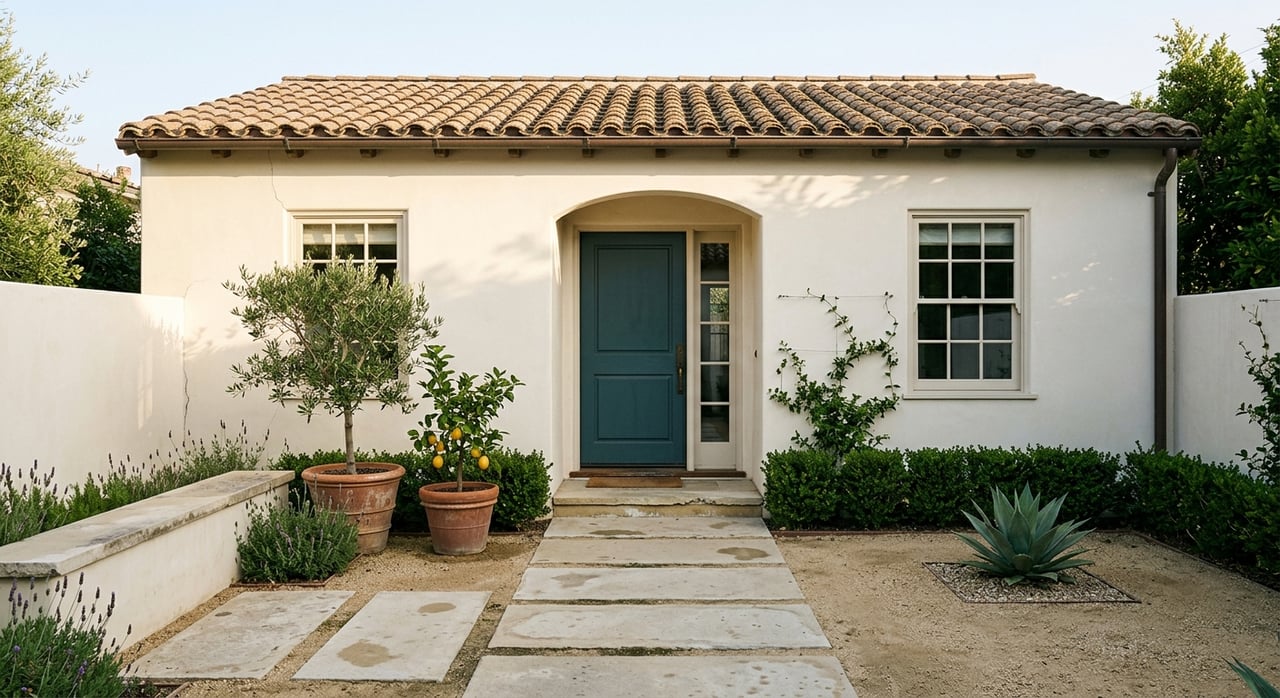
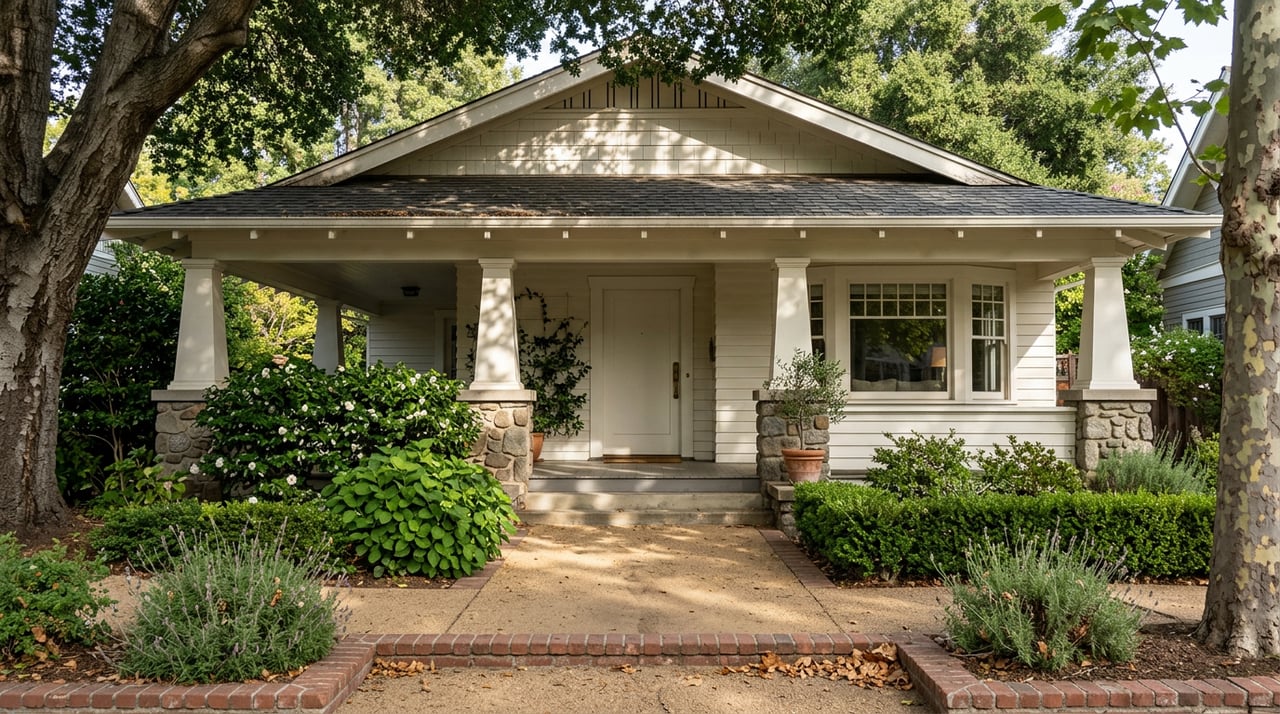
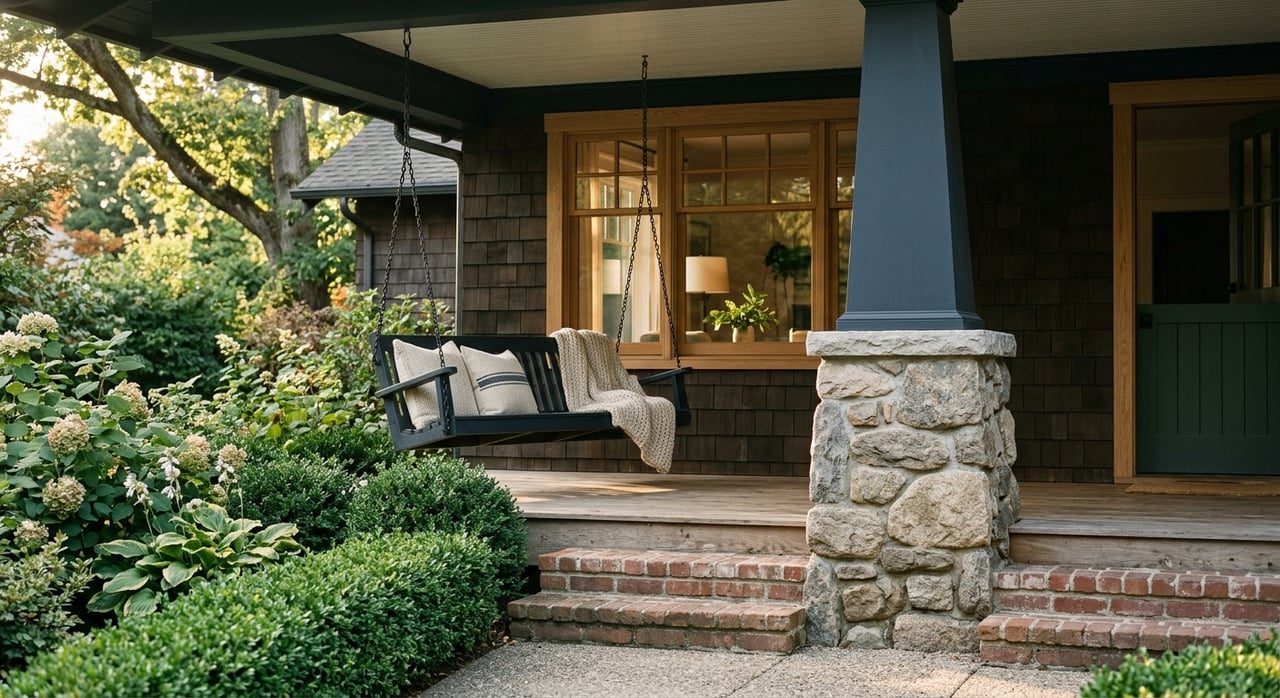
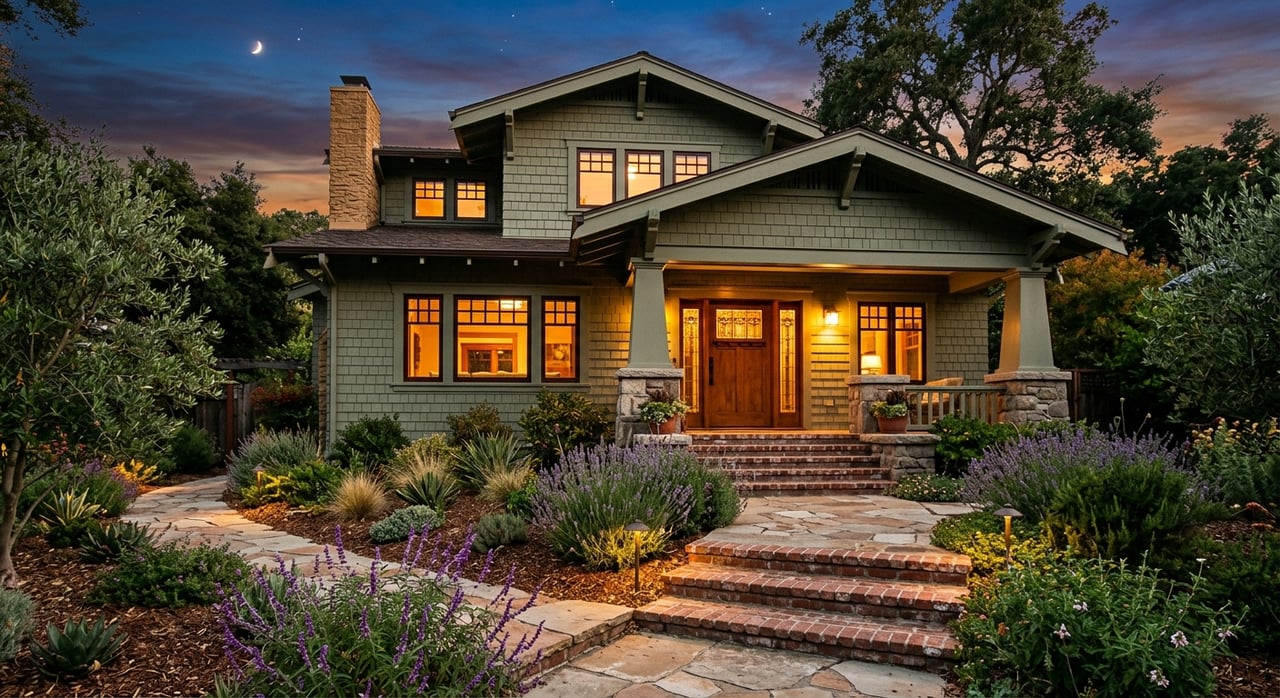
For many homeowners, the easiest emotional transition is staying in a detached home with a smaller footprint. That can mean fewer rooms to clean, a smaller yard to manage, and lower overall upkeep while still keeping the feel of a traditional house.
In Sierra Madre, smaller 2- to 3-bedroom homes have recently sold in roughly the 700 to 1,700 square foot range. Redfin places the median sale price for single-family homes at $1,597,188, so this option may still come at a premium, but it can offer meaningful lifestyle relief without leaving town.
If your goal is to reduce maintenance more dramatically, condos and townhomes are often the clearest next step. Attached housing can mean less exterior upkeep and a more lock-and-leave lifestyle, which appeals to many downsizers.
In Sierra Madre, Redfin reports median sale prices of $819,689 for condos and co-ops and $1,017,200 for townhouses. Those figures sit below the single-family median, which can make attached homes worth a closer look if simplicity and cost control are both priorities.
Some homeowners do not want to buy right away after selling. In that case, a local rental can create breathing room and reduce the pressure to line up two transactions perfectly.
Sierra Madre has limited senior-oriented rental inventory, but the city identifies Sierra Madre Senior Apartments as a 46-unit affordable rental project for very low- and low-income seniors age 55 and older. The city also supports older adults through the Hart Park House Senior Center, along with the free Gateway Coach route and Dial-a-Ride service for senior and disabled residents.
For some households, downsizing does not require leaving the property at all. Moving into an accessory dwelling unit, while selling or repurposing the main house, can be a practical way to stay in a familiar setting with a smaller footprint.
Sierra Madre allows accessory dwelling units up to 800 square feet and junior accessory dwelling units up to 500 square feet. The city notes that ADUs can be a lower-cost housing option, though historic-resource review and tree-preservation rules may affect what is feasible on older or tree-filled lots.
If you have started looking and felt that choices were limited, that impression is grounded in local conditions. Sierra Madre has seen very little housing growth over the last decade, and the city regulates condo conversions through a conditional use permit.
The housing element reports there were no condo-conversion applications from 2014 through 2021. Taken together, that suggests newly created attached housing options may remain limited, which is one reason planning ahead matters so much for downsizers here.
The best move is not always the smallest home. It is the home that best matches how you want to live day to day.
As you compare options, it can help to think through a few practical questions:
For many people, the answer comes down to three realistic routes: a smaller detached home, an attached home, or a short- or long-term rental strategy while deciding what comes next.
Downsizing is often emotional before it is logistical. AARP recommends starting by acknowledging that emotional side, getting help from a family member, trusted friend, or professional, and beginning with the least emotional parts of the home.
That approach can make the process feel more manageable. Instead of trying to make every decision at once, you can build momentum room by room.
From a sale-prep standpoint, older Sierra Madre homes often benefit from early review. Since more than 90 percent of the city’s housing stock was 30 years old or older in 2020, deferred maintenance, aging systems, and property records may all need attention before a home goes on the market.
A practical pre-listing checklist may include:
This kind of preparation can reduce surprises later and help you make clearer decisions about repairs, disclosures, and timing.
In Sierra Madre, timing matters because replacement inventory can be tight and the market is competitive. That makes it especially important to think through your sequence before listing your current home.
For many older homeowners in California, Proposition 19 is a major part of that planning. The California Board of Equalization says eligible homeowners age 55 and older, disabled homeowners, or disaster victims can transfer a prior home’s base-year value to a replacement home. Eligible homeowners over 55 or disabled may use the transfer up to three times.
The Board of Equalization also says you may buy the replacement home first and then sell your original home within two years and still qualify, assuming you meet the rules. If the replacement home is of equal or lesser value, the transfer can happen without a value adjustment. If the replacement is more expensive, the excess value is added to the taxable value.
Another important detail is process. The claim is filed after both transactions are complete and after you are living in the replacement home. It is not handled through escrow, so it is wise to build that step into your overall plan.
The Board of Equalization also notes that co-owning the replacement property with an adult child does not automatically prevent eligibility, as long as the ownership and occupancy rules are met. For some families, that flexibility can open up more creative ways to downsize locally.
For many homeowners, the goal is not just less house. It is a simpler life that still feels familiar.
That is part of Sierra Madre’s appeal. The city’s parks and trails include Bailey Canyon Wilderness Park and Mount Wilson Trail Park, with access to local nature trails and outdoor recreation. For older adults, the Hart Park House Senior Center and local transportation support can also help maintain a comfortable routine after a move.
When you look at downsizing through that lens, the question shifts. It becomes less about what you are giving up and more about what you are protecting: your time, your energy, and your connection to the community.
If you are thinking about downsizing in Sierra Madre, the lowest-stress approach is usually to choose your replacement home type first, then work backward through timing, taxes, preparation, and sale strategy. A thoughtful plan can make the move feel much more manageable. If you would like tailored guidance on selling a longtime home or finding the right next fit in the foothill communities, Kate Amsbry offers a complimentary home consultation.
Stay up to date on the latest real estate trends.
Whether you’re mapping out a long-term plan or need to list next month, We're here to listen first, advise second, and guide every step until the ink is dry. Let’s connect—and turn your Pasadena dreams into a solid address.